China Top Ultraviolet Light System Suppliers?
Choosing among China’s leading Ultraviolet Light System suppliers takes more than comparing catalog prices. Buyers need to know what the system must treat, how it will be installed, and what evidence supports its performance. A unit designed for a compact water line may not suit a large process loop or an air-treatment application. Small details matter: lamp output, reactor dimensions, sensor placement, and access for routine maintenance. They shape reliability in daily use.
UV disinfection specialist James R. Bolton has emphasized that ultraviolet treatment inactivates microorganisms through physical action, rather than by adding a chemical disinfectant. That principle is useful, but it does not make every system equivalent. Performance depends on factors such as exposure time, UV transmission, lamp condition, and the target organism. Ask suppliers for application-specific data, clear operating limits, and practical guidance for replacing lamps and sleeves. Look for documented testing, traceable components, and responsive technical support. A polished brochure is not enough. Nor is the lowest quote.
This guide introduces Chinese suppliers and the questions worth asking before shortlisting them. It considers product range, customization, quality controls, and export experience, while recognizing that public claims can be hard to verify. Some information may remain incomplete. That is worth noting, not glossing over. The right choice depends on your process, site conditions, and acceptance criteria—not on a ranking alone.
Understanding Ultraviolet Light Systems and Their Applications
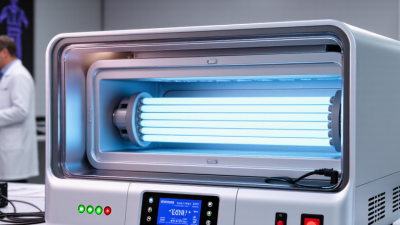
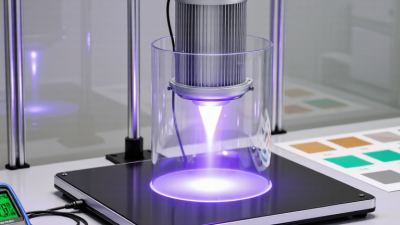
Ultraviolet light systems use energy beyond the visible violet range to reduce microorganisms in air, water, and on exposed surfaces. Many disinfection units use UV-C, but wavelength alone does not determine performance. Exposure time, lamp output, distance, and system design all affect the delivered dose.
Dose matters.
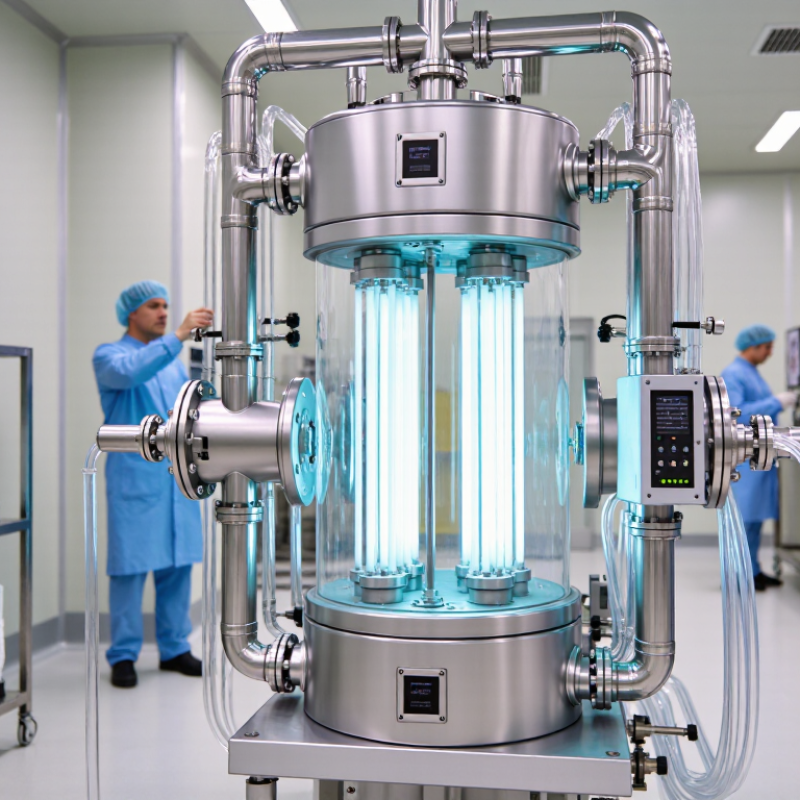
In water treatment, UV light passes through flowing water inside a chamber. Cloudy water or mineral buildup can reduce exposure, so pretreatment and regular cleaning may be necessary. Air systems use fixtures in ducts or upper room areas, where airflow and room layout influence results. Surface units need a clear path to the target; shadows can leave untreated spots.
A reliable system should match the intended application and be checked with suitable measurements, not judged by brightness. Operators may monitor lamp output, clean protective sleeves, and replace aging components according to the equipment instructions. UV treatment does not remove dirt, and it may not replace other control steps.
That detail is easy to overlook.
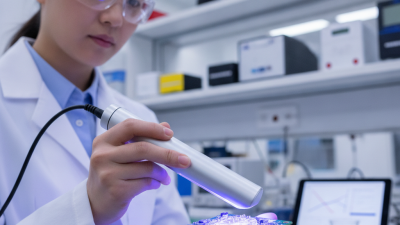
People also need protection from direct UV-C exposure, which can harm eyes and skin. Real installations are rarely perfect; airflow changes, deposits form, and maintenance schedules can slip. These practical limits belong in the design discussion, not just the product description.
Key Factors for Evaluating Chinese UV System Suppliers
China Top Ultraviolet Light System Suppliers?
Key Factors for Evaluating Chinese UV System Suppliers
Choosing a UV system supplier requires more than comparing lamp wattage or quoted price. Ask for independent validation reports that state flow rate, water quality, UV transmittance, and sensor calibration conditions. The U.S. EPA’s 2006 UV Disinfection Guidance Manual lists validated dose benchmarks of 22 mJ/cm² for 4-log Giardia inactivation and 186 mJ/cm² for 4-log virus inactivation. These figures apply to defined treatment conditions, not every installation. Numbers need context. A credible supplier should explain its design assumptions and provide test records that match your intended application.
Tips: Request a sample test report, lamp-aging data, and a clear maintenance schedule. Check whether replacement lamps and sensors are readily available. Small details matter.
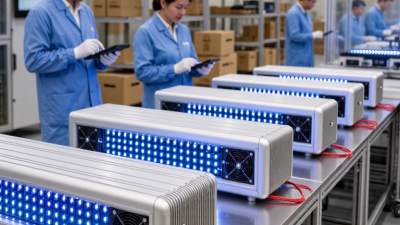
For a practical factory assessment, review quality-control records, component traceability, and documented final testing. Ask how the unit responds when flow rises or a sensor detects reduced UV intensity. For air or surface systems, request performance data for the actual room layout and exposure conditions; water-treatment results cannot prove performance in another setting. Also confirm warranty terms and technical support response times in writing. A polished brochure is useful, but it is not evidence. Supplier claims can sound precise while leaving out the operating conditions that make them meaningful.
Main Types of UV System Suppliers in China
China’s UV system suppliers generally fall into three groups. Complete-system manufacturers build reactors, lamps, electronic ballasts, and control panels. Their products may serve municipal water, industrial process water, or air treatment. Ask for tested flow rates and UV-dose data, not just lamp wattage. A bright lamp alone proves little.
OEM and ODM suppliers produce equipment to a buyer’s design or provide configurable units. They can suit distributors and engineering firms needing specific reactor dimensions, connections, or control interfaces. Component specialists form another group, supplying items such as quartz sleeves, sensors, and power units. Details matter. Confirm material grades, replacement intervals, and whether spare parts remain available after purchase.
Engineering integrators combine UV equipment with filtration, pumps, and monitoring controls, then adapt the package to a site. This can simplify installation, though supplier categories sometimes overlap. Grand View Research valued the global UV disinfection equipment market at USD 5.1 billion in 2022 and projected a 10.1% compound annual growth rate from 2023 to 2030. That is global context, not a China supplier count. Compare suppliers using application-specific performance records, service response times, and independent test documents. One weak point: published specifications do not always reflect real operating conditions.
China’s UV System Supplier Types: Representative Wavelengths
Typical wavelength examples associated with common UV system supplier categories. Values are illustrative technical examples, not market shares or supplier rankings.
Low-pressure mercury UV-C systems commonly operate near 254 nm; UV-C LED systems often use wavelengths around 265–280 nm. UV curing systems may use UVA wavelengths such as 395 nm. Actual wavelengths vary by product and application.
Comparing Supplier Capabilities, Certifications, and Support
China’s ultraviolet light system suppliers can offer very different levels of engineering support. Compare more than lamp output or quoted price. Ask how each supplier sizes a system for your water flow, air volume, or production line. A capable team should explain its assumptions and provide clear operating limits. Request drawings, maintenance intervals, and replacement-part details. Small details matter.
Certifications deserve careful review. Check whether documents apply to the exact system model, components, and intended use. Ask for test methods, performance data, and certificate validity, rather than relying on logos in a brochure. Supplier support matters after installation, too. Confirm response times, troubleshooting options, training, and spare-part availability. A polished presentation is useful, but it is not proof. I would still want to speak with a technical contact and review a real service case; that extra step can feel slow, yet it may reveal gaps.
Tips: Send suppliers the same operating conditions and questions. Compare answers side by side, and ask them to explain any unclear test result. Short answers can be revealing.
How to Choose a Supplier for Your UV System Project
Choosing a UV system supplier starts with the water, not the catalog.
Record average and peak flow, turbidity, UV transmittance, temperature, and available pipe space. For a project in China, ask whether the supplier can size equipment around these measured conditions. A credible proposal should state its design dose, lamp arrangement, reactor material, pressure drop, and operating limits. Ask how performance is verified, and request test records or comparable project references. A polished brochure is not proof.
Tips:
Share a process diagram and recent water-test results before requesting a quotation. Ask about lamp replacement intervals, cleaning methods, sensor calibration, spare-part lead times, and commissioning support. Confirm that the controller displays lamp status and alarm history. Get answers in writing.
Check whether the supplier can adapt to site conditions, including fluctuating flow, limited maintenance access, and voltage variation. Discuss warranty boundaries and who handles startup, training, and troubleshooting after delivery. Compare operating needs, not just purchase price; electricity, consumables, and downtime matter. Some specifications may look exact but depend on water quality. I would still leave room for a site trial when uncertainty remains.