Leave Your Message

China Top 10 UV Machine for Printing Manufacturers?

Choosing a UV printer is not just about comparing prices or catalog photos. A machine may look impressive online, yet struggle with the materials and workload a shop actually handles. This guide to China’s top 10 UV machine for printing manufacturers introduces suppliers worth examining, while treating “top” as a starting point—not a guarantee of fit. No ranking is perfect.

The comparison focuses on practical details: printable width, supported substrates, curing system, printhead options, color performance, and expected production volume. A small sign studio may need reliable work on acrylic sheets and phone cases; a packaging workshop may care more about repeatability across longer runs. Those are different needs. The right Uv Machine For Printing should match the job, not merely offer the longest feature list.

Manufacturer information can also be uneven. Some companies publish detailed specifications; others require direct confirmation, especially for service coverage, spare parts, training, and warranty terms. Ask for sample prints on your own material, and check whether quoted speeds reflect production-quality output. Small details matter. A few minutes saved on setup can help, but inconsistent color or slow support can cost more over time. This overview is intended to help buyers ask sharper questions, compare claims carefully, and shortlist manufacturers for further verification. It cannot replace a factory visit or a tested sample. That caveat is worth keeping in mind.
China Top 10 UV Machine for Printing Manufacturers?

What Is a UV Printing Machine and How Does It Work?

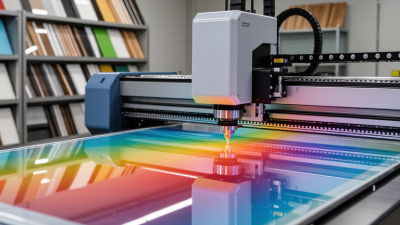
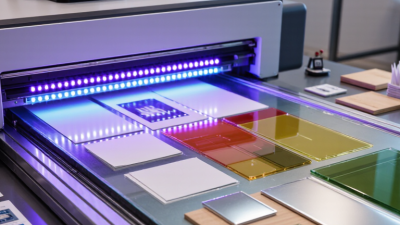
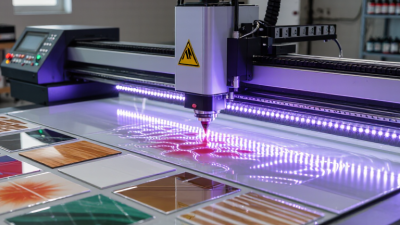
A UV printing machine uses ink that hardens when exposed to ultraviolet light. Its printhead places tiny droplets onto a surface, while an LED lamp cures each layer almost immediately. The ink bonds to the material rather than soaking deeply into it. Tiny dots matter. This process can produce sharp text and vivid colors on flat or gently curved objects.

In a typical flatbed setup, the operator positions the item on the table and sets the print height. The machine prints the image in passes, and the UV lamp follows close behind. Curing happens quickly, but “dry” does not always mean durable. Surface texture, coating, and material compatibility all affect adhesion. A small test print can reveal problems before a full run.

A common mistake is assuming one setting works for every substrate. It rarely does. Dust, fingerprints, or an uneven surface may cause weak adhesion or inconsistent color. Operators should check alignment, ink flow, and lamp output, then inspect a sample after printing. Even careful testing cannot remove every uncertainty; some materials behave differently from their appearance. The process is precise, but it still rewards patience.
Main Types of UV Printing Machines Made in China

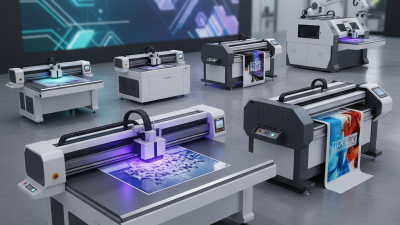
China’s UV printing equipment commonly falls into four types: flatbed, roll-to-roll, hybrid, and rotary machines. Flatbeds print directly onto rigid sheets such as acrylic, wood, or aluminum composite panels. A vacuum table holds the material steady while the printhead passes overhead. Useful for signage and décor. Their limits are clear: oversized boards may need multiple passes or careful loading.

Roll-to-roll machines handle flexible media, including film, wallpaper, and banner material. Hybrid models combine a flatbed table with a roll feeder, giving workshops more options without separate systems. Rotary machines use a turning fixture for bottles, tubes, and other cylindrical objects. Fit and surface preparation matter. A slight slip can distort fine lettering.

Market context helps explain this range. Smithers’ The Future of Digital Printing to 2032 valued global digital print at about US$167.5 billion in 2022 and projected roughly US$251.1 billion by 2032. This is a broad digital-print figure, not a UV-machine sales estimate. Grand View Research’s digital printing market analysis also describes continued market growth, though its market scope differs. Buyers should compare usable print width, supported materials, curing consistency, and maintenance access. A machine that fits the sample may not fit daily production. That deserves a second look.

China Top 10 UV Machine for Printing Manufacturers? - Main Types of UV Printing Machines Made in China
No. UV Machine Type Printing Method and Feed Common Materials Typical Applications Key Considerations
1 UV Flatbed Printer Inkjet printing onto a stationary or moving flatbed; UV lamps cure ink during printing. Rigid sheets and objects such as acrylic, glass, metal, wood, and selected plastics. Signs, display panels, promotional products, and short-run customized items. Check the printable area, maximum object height, bed configuration, and surface pretreatment requirements.
2 UV Roll-to-Roll Printer Inkjet printing on flexible media supplied from a roll and collected on a take-up system. Self-adhesive vinyl, banner material, films, and other compatible flexible media. Indoor and outdoor graphics, decals, posters, and flexible signage. Media width, take-up control, ink flexibility, and compatibility with the intended material are important.
3 UV Hybrid Printer Combines roll-fed printing with a flatbed or belt system for handling flexible and some rigid media. Flexible films and selected rigid boards or panels. Print shops producing both roll graphics and flat-sheet signage. Confirm how rigid media is transported and whether the machine supports the required board thickness and dimensions.
4 UV DTF Transfer Printer Prints UV-curable graphics onto transfer film, which is then applied to an object; it does not print directly onto the final object. Transfer films and compatible smooth, relatively hard surfaces. Decorative transfers for items such as packaging, gifts, and selected promotional products. Transfer-film compatibility, adhesion testing, and the application process affect the finished result.
5 Rotary or Cylindrical UV Printer Uses a rotary fixture or rotating mechanism to print around cylindrical or curved objects. Compatible bottles, tubes, cups, and other cylindrical items. Personalized drinkware, containers, and product decoration. Object diameter, taper, surface finish, and fixture compatibility determine whether an item can be printed reliably.
6 UV Single-Pass Industrial Printer Prints as products pass beneath a stationary printhead array, commonly on a conveyor or production line. Materials and products supported by the specific line and ink system. High-throughput decoration, packaging components, and repeat production jobs. Requires careful integration with production speed, product handling, curing, and quality-control systems.
7 Desktop UV Printer Compact flatbed inkjet printing with UV curing, designed for smaller work areas and objects. Small compatible rigid items, sheets, and promotional products. Prototyping, personalization, small businesses, and short production runs. Compare usable print dimensions, object clearance, maintenance needs, and expected production volume.
8 Wide-Format UV Roll Printer Roll-fed UV inkjet printing with a wider media path for large graphics. Wide flexible media, including compatible banner and self-adhesive materials. Large-format signs, exhibition graphics, wall graphics, and outdoor displays. Verify the actual media width, drying and curing performance, ventilation requirements, and finishing workflow.
9 UV Inkjet Label Press Web-fed inkjet printing on label stock, often integrated with converting or finishing equipment. Compatible paper and film label materials. Short- and medium-run labels, variable designs, and customized packaging labels. Check substrate compatibility, registration, finishing options, and the requirements of the label-converting line.
10 UV Screen Printing Machine Applies ink through a prepared screen; UV-curable ink is cured after deposition. Compatible sheets, panels, labels, and selected shaped products. Repeated graphics, specialty effects, and jobs requiring screen-printing characteristics. Screen preparation and setup are part of the process; suitability depends on the design, run length, and substrate.

How to Evaluate Chinese UV Printer Manufacturers

When evaluating Chinese UV printer manufacturers, look beyond polished product photos and compare documented performance. Ask for a live demonstration using your own material, such as acrylic, aluminum, or a coated panel. Watch for banding, uneven white ink, and edge detail at the resolution you actually need. Then request a cured sample and test adhesion after the recommended handling period. Small details matter. Record the ink type, lamp configuration, print speed, and pass count so competing quotations are comparable. Marketing speed alone can mislead. Real output depends on artwork, substrate, and maintenance.

Check whether the manufacturer can explain routine tasks clearly: nozzle checks, cleaning cycles, and replacement intervals. Ask who provides remote support, in what time zone, and how quickly common spare parts ship. Request references from users with similar materials and production volumes, not only general testimonials. Review warranty exclusions and training details before paying a deposit. Paperwork helps. Where possible, visit the production site or arrange an independent inspection before shipment. Confirm the machine’s footprint, power needs, ventilation requirements, and software compatibility with your workflow. Some buyers focus too much on price; I would also estimate downtime and rejected prints. No supplier is flawless. Listen for precise answers, then verify them with samples and written specifications.

How to Evaluate Chinese UV Printer Manufacturers

A practical evaluation framework for comparing UV printer suppliers. The percentages are suggested buyer-defined priorities, not measured industry rankings.

Compare documented specifications, test prints on your materials, service coverage, quality controls, certifications, total cost of ownership, and verifiable customer references. Adjust the weights to match your application.

Profiles of 10 Leading UV Printing Machine Manufacturers in China

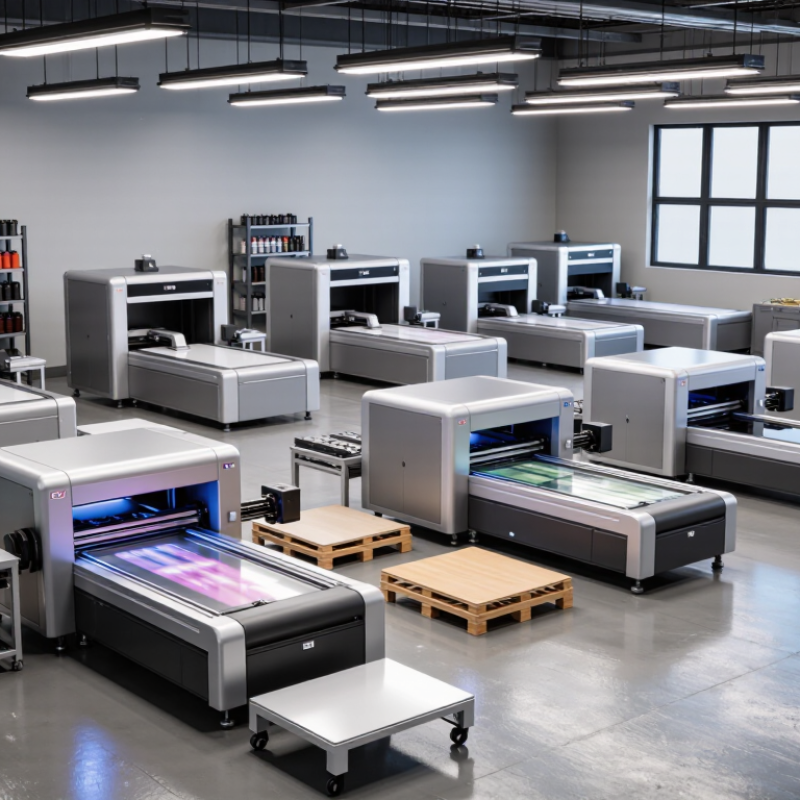
China’s UV printing machine market covers compact workshops, sign producers, packaging plants, and industrial users. These ten manufacturer profiles highlight different capabilities rather than claim a fixed ranking. Buyers should compare current specifications and request printed samples.

One profile focuses on small-format flatbeds for phone cases, panels, and custom gifts.

Another builds larger flatbeds for furniture boards and display signs.

A third specializes in roll-to-roll machines for banners and flexible films.

A fourth combines flatbed and roll printing for mixed production.

A fifth develops cylindrical systems for bottles and tubes.

A sixth targets high-speed production, where reliable feeding matters as much as print speed.

A seventh emphasizes white ink and varnish for layered effects.

An eighth serves textile and leather applications, with material compatibility requiring careful checks.

A ninth profile centers on entry-level equipment, often appealing to businesses testing UV printing.

A tenth focuses on industrial automation, including conveyor handling and workflow integration.

Not every feature performs equally well across materials. Request test prints on your own stock, inspect fine text and color consistency, and ask about maintenance access. Published speed figures can be optimistic; real output depends on artwork, curing settings, and operator experience. Manufacturer claims deserve verification.

Common Applications of UV Printing Machines by Industry

UV printing machines serve different needs across several industries. In signage, shops use them for display boards, window graphics, and directional panels. A print operator may adjust ink limits and curing settings to keep small text sharp on a glossy surface. Rigid media often needs a level bed. Dust can spoil the finish.

Packaging teams use UV printing for short-run mock-ups, labels, and decorative samples. It helps show color and texture before larger production begins. Results depend on the substrate, ink system, and surface preparation. A coated carton may print cleanly, while untreated material can show uneven adhesion. Testing comes first. Always.

In interior design, UV printers can add graphics to panels, glass, or selected furniture components, subject to machine compatibility. Manufacturers also use them to mark product housings and control panels, where readable details matter more than speed. Smaller businesses may value custom phone cases, gifts, or event items. These jobs can involve frequent artwork changes, so setup time matters. The process is not flawless: curved objects may need dedicated fixtures, and white ink can require extra attention. A practical test on the actual material is still the best check.