Best UV Machine for Printing What to Consider Before Buying?
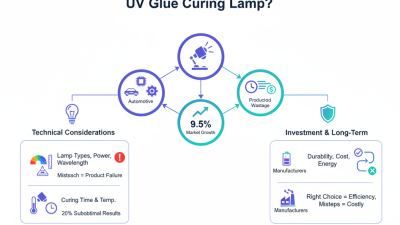
Choosing the right UV machine for printing requires careful consideration. With the rapid growth of digital printing technology, the UV print market is projected to reach $2.99 billion by 2025. Businesses are seeking reliable solutions that deliver quality results efficiently. A UV machine for printing not only enhances color vibrancy but also supports diverse substrates, which is crucial for businesses aiming to cater to various markets.
However, not every UV printer is created equal. Factors such as print speed, resolution, and maintenance costs significantly impact the overall investment. For example, some machines may excel in print quality but may fall short in terms of durability. Checking reviews, expert testimonials, and case studies can provide valuable insights into real-world performance.
In the quest for the best UV machine for printing, understanding specific needs is vital. Every industry has unique demands, and a one-size-fits-all approach may lead to dissatisfaction. Ensuring that the chosen machine aligns with business goals can result in improved efficiency and customer satisfaction. Exhaustive research is essential, as selecting the wrong UV machine may hinder productivity and lead to costly mistakes.
Understanding UV Printing Technology and Its Benefits
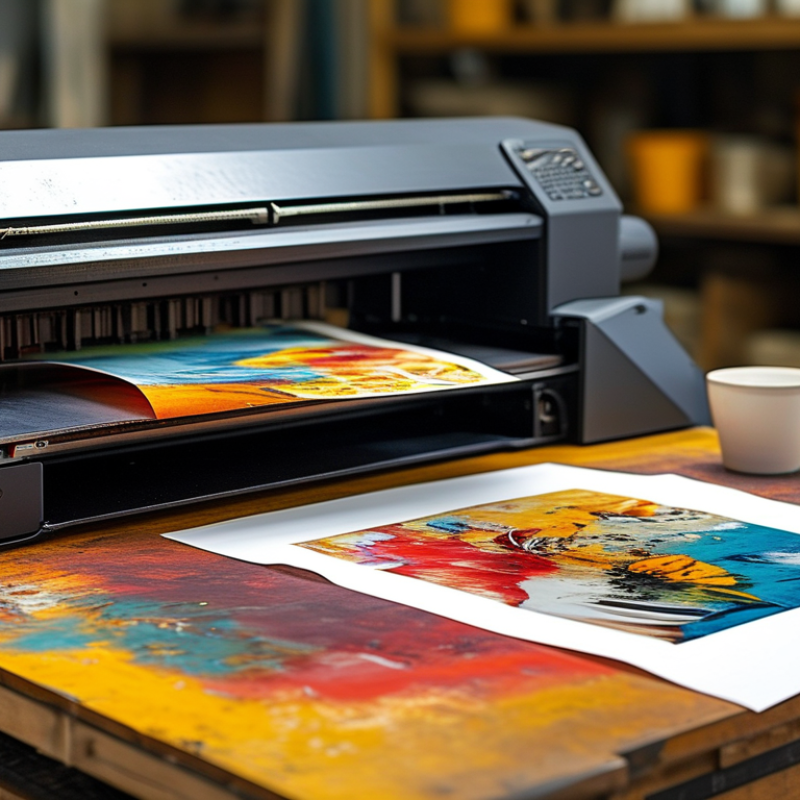
UV printing technology has revolutionized the printing industry. It utilizes ultraviolet light to cure ink as it is printed. This process results in vibrant colors and sharp details. Unlike traditional methods, UV printing produces high-quality results on various materials. Reports indicate that the UV printing market is expected to grow at a rate of 10% annually.
The benefits of UV printing are numerous. One notable advantage is its quick drying time. Products can be handled immediately after printing. Additionally, UV inks are less likely to fade or discolor over time. This durability makes them ideal for outdoor applications. However, some may find that the initial investment for UV printers is higher than other methods.
Environmental concerns also arise. While UV printing is considered more eco-friendly due to reduced VOC emissions, the energy consumption during printing can be significant. It's crucial to consider the long-term effects on both productivity and sustainability. Businesses must weigh the pros and cons of adopting this technology in their practices.
Key Features to Look for in UV Printing Machines
When selecting a UV printing machine, several key features must be considered. Pay attention to the curing technology. LED UV technology is more energy-efficient. It also produces less heat, preventing damage to sensitive substrates. Think about print resolution as well. A higher DPI (dots per inch) offers finer details. This is crucial for high-quality images and graphics.
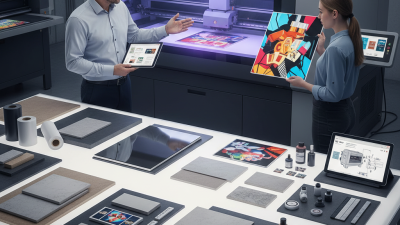
Next, evaluate the machine's versatility. Can it print on various materials? A machine that works on plastics, wood, and metal expands your creative options. Consider the size of the print area too. Larger surfaces allow for bigger projects. Yet, they require more space in your workshop. Reliability is essential as well. A machine prone to breakdowns can disrupt production.
After analyzing these features, reflect on your specific needs. Do you prioritize speed over quality? Or vice versa? It’s important to find a balance. Investing time in research will lead to a satisfying purchase that meets your printing demands. A well-thought-out decision enhances your capabilities in the long run.
Different Types of UV Printers and Their Applications
When exploring different types of UV printers, it's essential to understand their unique applications.
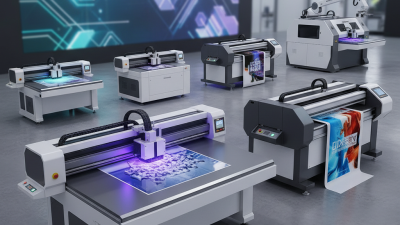
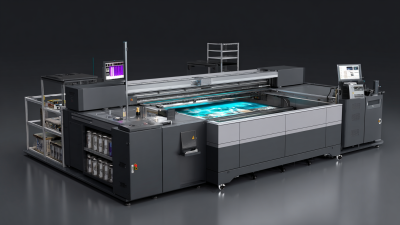
UV flatbed printers excel in producing high-quality images on various surfaces. They can print on wood, glass, and metal, making them highly versatile. Their ability to handle thick materials adds to their appeal for businesses looking for exceptional quality.
UV roll-to-roll printers are ideal for printing on flexible materials.
They cater to the needs of the signage and graphic arts industries. These printers can create stunning banners and vibrant wraps. Unlike flatbed printers, roll-to-roll models are more efficient for longer print runs. This efficiency helps businesses meet tight deadlines while maintaining high-quality output.
However, investing in the right UV printer requires careful consideration. Compatibility with the intended materials is crucial. Not all printers handle every surface well.
Some users may discover that the machine they choose does not meet specific needs. Many also face challenges mastering the technology. Familiarizing oneself with the printer’s functionalities can take time. Thus, research and experience play a vital role in making an informed decision.
Factors Influencing UV Printer Performance and Cost
When selecting a UV printer, several factors influence its performance and cost. The print quality is a primary concern.
High-resolution printing provides sharper images and finer details. Additionally, the speed of printing plays a pivotal
role. A faster machine can meet tight deadlines and enhance productivity. However, increased speed may lead to
compromised quality, necessitating a delicate balance.
Maintenance is another crucial aspect to consider. Regular upkeep ensures longevity and consistent performance,
but it does come at a cost. Understanding the level of required maintenance helps you plan your budget accordingly.
Moreover, the type of materials you intend to print on impacts both performance and pricing. Some materials adhere
better than others, requiring specific printer settings to achieve optimal results.
Additionally, the initial investment in a UV printer may not reflect its total cost. Hidden expenses like ink and
replacement parts can accumulate over time. Evaluating the total cost of ownership is vital. Think beyond the
specifications on paper. Real-world use can reveal differences in performance under various conditions. Being aware
of these aspects leads to more informed decision-making.
Maintenance and Support Considerations for UV Printing Machines
When considering a UV printing machine, maintenance and support become crucial factors. Regular maintenance ensures the longevity and performance of the printer. Users should inspect the print heads and calibrate them periodically. Dust and ink buildup can lead to inconsistent print quality. This can become frustrating if not addressed, as it directly impacts the final product.
Support from the manufacturer or vendor is equally important. A reliable service team can make a significant difference. Look for facilities that offer quick responses to inquiries. Consider availability for on-site support or remote troubleshooting. It’s essential to choose a machine with a robust support system. There may be moments when repairs seem unavoidable, and having experts to guide you is invaluable.
Reflecting on prior experiences can guide potential buyers. Gather insights from others who have faced similar challenges. Every machine has its quirks. Some users find it difficult to master the software integrations. Others note a steep learning curve in adjusting settings. A community of users can provide practical tips and real-world solutions. Insight gained from shared experiences can be a great asset.