What Is an LED UV Curing Lamp?
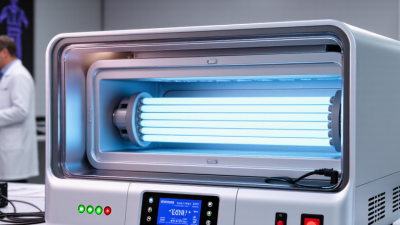
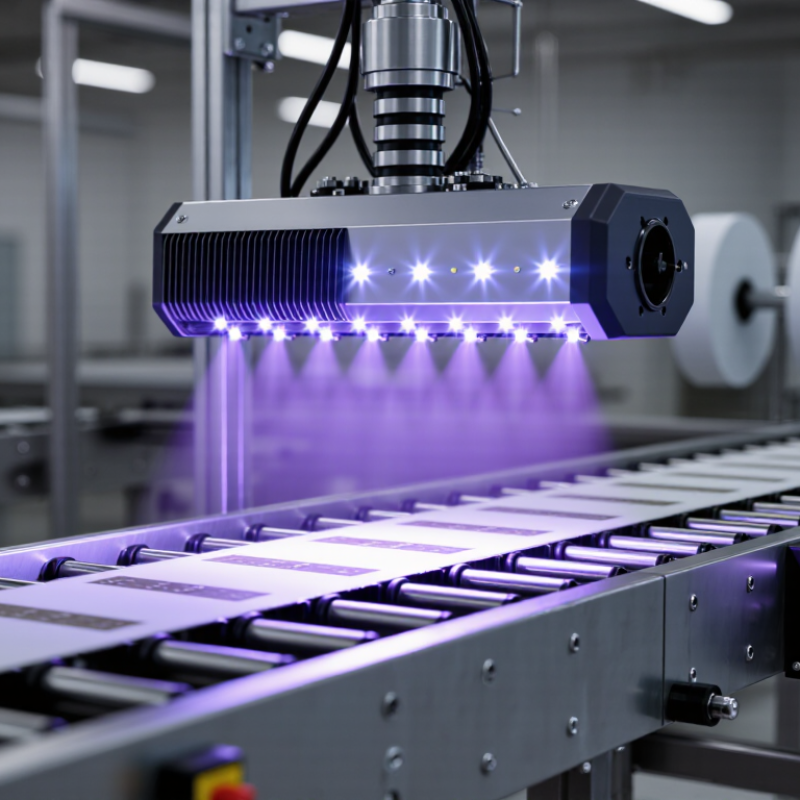
A Led Uv Curing Lamp uses light-emitting diodes to start photochemical reactions in compatible inks, coatings, and adhesives. Unlike a conventional mercury-vapor lamp, it emits UV energy within selected wavelength bands and produces less unwanted heat at the work surface. In a production line, that can mean a compact lamp head curing a printed label moments after ink application. The result still depends on the material and process settings. It is not a universal fix.
The broader market is growing. Grand View Research estimated the global UV LED market at about USD 1.2 billion in 2023, while noting that its scope includes uses beyond curing. That context matters: a market forecast is not proof that every curing line will benefit. UV-LED specialist Dr. Chris Seubert of Phoseon Technology has summarized the key process principle as: “Curing performance depends on matching wavelength, irradiance, and dose to the chemistry.” Treat that as a practical guide, not a substitute for testing. Measure the lamp’s output, check the photoinitiator’s response, and inspect the cured surface—not just its appearance. A tack-free finish can still hide incomplete curing. That detail is easy to miss. Some uncertainty remains, too: substrates, lamp distance, and line speed can change results. This guide explains what the lamp is, how it works, and what to verify before choosing one.
Definition and Core Purpose of an LED UV Curing Lamp
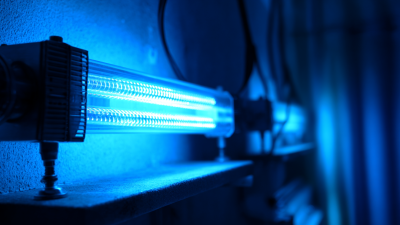
An LED UV curing lamp is a solid-state light source that emits ultraviolet energy to trigger photochemical reactions in compatible inks, coatings, or adhesives. Unlike a conventional mercury-vapor lamp, it produces light through semiconductor diodes, usually in selected UVA bands such as 365, 385, or 395 nanometres. The lamp’s core purpose is not simply to illuminate a surface. It delivers a controlled wavelength and dose so a photoinitiator can start polymerization, turning a wet or tacky layer into a more stable film. That matters.
In practice, curing depends on more than the lamp’s stated power. Wavelength must match the formulation, while irradiance, exposure time, distance, and substrate shape affect the result. A small label moving beneath a lamp may cure differently from a thick coating on a curved part. MarketsandMarkets’ UV LED Market forecast projected growth from about $1.2 billion in 2023 to $2.2 billion by 2028; this covers the wider UV LED market, not curing lamps alone. The figures show rising adoption, but market growth does not prove that every process will benefit. A lamp can look powerful and still leave an undercured layer. Measuring output at the working surface, then checking adhesion or tack, is more dependable than relying on appearance.
How LED UV Curing Converts Light into a Cured Material
What Is an LED UV Curing Lamp?
How LED UV Curing Converts Light into a Cured Material
An LED UV curing lamp emits ultraviolet light in a narrow wavelength band. Common industrial output peaks include 365, 385, 395, and 405 nanometres, as described in RadTech UV/EB curing technical guidance. The light itself does not harden every material. A formulation needs a photoinitiator that absorbs the lamp’s wavelengths and starts a chemical reaction. In many inks and coatings, that reaction links small molecules into a solid polymer network. The result can be a dry surface within seconds. Timing still matters.
Curing depends on both irradiance, measured in watts per square centimetre, and dose, measured in joules per square centimetre. Dose is irradiance multiplied by exposure time. For example, a moving line may deliver less energy if the conveyor runs faster or the lamp sits farther away. The photoinitiator’s absorption spectrum must also overlap the LED’s output; otherwise, the surface may look dry while deeper layers remain soft. A 2022 review in Progress in Organic Coatings notes that formulation, film thickness, and exposure conditions all affect UV-curing performance. Small changes count. In practice, operators check cure with a suitable test, not touch alone. Oxygen at the surface can also inhibit some reactions, so a glossy finish is not proof of complete cure.
What Is an LED UV Curing Lamp?
Photon Energy at Common LED UV Curing Wavelengths
Photon energy is calculated using E = hc/λ, where h is Planck’s constant, c is the speed of light, and λ is wavelength. Shorter-wavelength photons carry more energy, but curing also depends on the material’s photoinitiator and the UV dose delivered.
Key Components and Their Functions
What Is an LED UV Curing Lamp?
Key Components and Their Functions
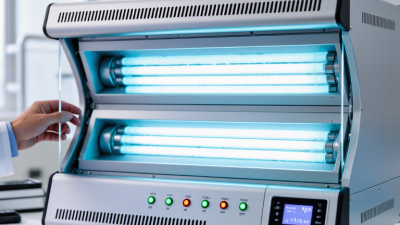
An LED UV curing lamp converts electrical power into ultraviolet light to harden compatible inks, coatings, or adhesives. Its LED array sets the output wavelength and working area. CIE’s S 009/E:2002 photobiological safety standard defines UV-A as 315–400 nm, a range that includes many curing wavelengths. Matching the lamp’s spectrum to the material’s photoinitiator matters; a bright source alone cannot guarantee a complete cure.
The driver regulates current to the LEDs, helping maintain stable output as production runs continue. A heat sink and cooling fan remove heat from the chips and surrounding electronics. This matters because excessive heat can shorten component life and shift operating performance. Optical lenses or reflectors shape the beam, while a protective window shields the assembly from dust and process residue. Small details count.
A controller manages exposure time and may adjust power or trigger the lamp with a conveyor. Irradiance sensors can check light intensity at the work surface; dose is commonly expressed in joules per square centimetre. Measurement conditions matter, including sensor position and window cleanliness. One limitation is easy to miss: a reading at the lamp face may not represent the dose reaching a moving part. Calibration needs attention.
Common Applications Across Industries
What Is an LED UV Curing Lamp?
Common Applications Across Industries
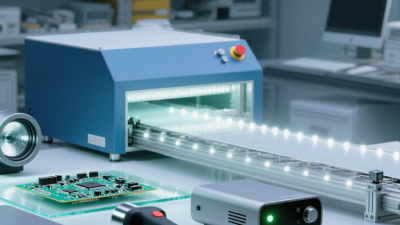
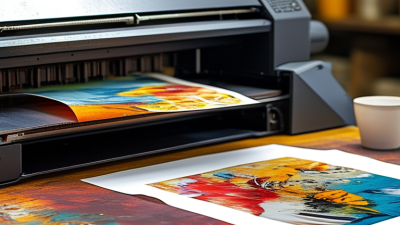
An LED UV curing lamp uses ultraviolet light to harden specially formulated inks, coatings, and adhesives. It cures material on demand, often within seconds, rather than relying on long oven-drying cycles. In printing, it can set ink on labels and packaging as sheets move through a press. In electronics, focused light bonds small components or seals protective coatings. Manufacturers also use UV curing in automotive finishes, medical-device assembly, and some 3D-printing processes. Each application needs a compatible material and wavelength.
Fortune Business Insights valued the broader global UV LED market at about USD 1.25 billion in 2023. Its market report covers several uses, including curing, so the figure is context—not a measure of curing lamps alone. In practice, curing quality depends on more than lamp output: distance, exposure time, substrate, and coating chemistry all matter. A glossy surface can look finished while remaining undercured beneath. Small details matter.
Tips: Test a sample using the actual material, lamp distance, and line speed. Check the manufacturer’s recommended wavelength and dose, then verify cure with an appropriate process test. Keep the lamp window clean; dust or residue can reduce delivered light. A test coupon can still surprise you.
Advantages, Limitations, and Safety Considerations
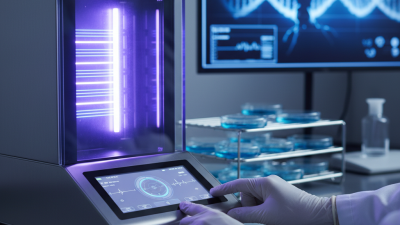
An LED UV curing lamp uses semiconductor chips to emit ultraviolet light, typically within a narrow wavelength band. That light starts a photochemical reaction, hardening compatible inks, coatings, or adhesives without conventional oven heating.
Its benefits are practical. The lamp switches on quickly, produces less unwanted heat than many mercury-lamp systems, and can target specific photoinitiators. That may help protect heat-sensitive parts, such as thin plastic film. But wavelength matching matters. A coating formulated for one output may cure poorly under another. Opaque materials, deep layers, and shaded edges can also remain tacky. That advantage has a catch: test the actual material and measure the cured surface, not just the lamp’s rated power.
Safety needs equal attention. UV exposure can injure eyes and skin, even when the source looks dim. ICNIRP’s 2004 guidelines set an effective actinic UV exposure limit of 30 joules per square metre over eight hours. This is a weighted exposure value, not a simple brightness reading; wavelength and exposure time both matter. Enclose the curing area, use interlocks, and select eye and skin protection rated for the lamp’s spectrum. Check for leaks around doors and seams. A small gap can matter. Safety glasses alone are not a complete control.