China Best UV Curing Light Source Manufacturer?
Choosing the China best UV curing light source manufacturer is not just a price comparison. The right supplier should understand your process, explain technical limits, and provide evidence for its claims. A Uv Curing Light Source must match the coating or adhesive, required wavelength, exposure area, and production speed. Small details matter.
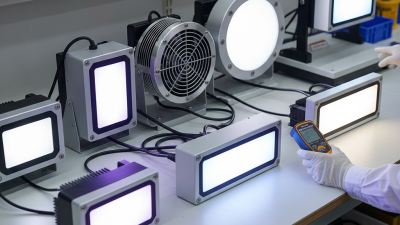
For a useful comparison, ask for irradiance data, wavelength specifications, beam-uniformity information, and thermal-management details. Then check whether the system fits your line, including working distance, fixture design, and available controls. A calibrated radiometer can help verify output at the actual curing position; a catalog figure alone may not represent conditions on your factory floor. Ask how the manufacturer handles sample testing, product changes, warranty support, and replacement parts. Clear answers are a good sign. A polished brochure is not proof.
Reliable evaluation also means looking beyond one successful demonstration. Request test conditions and confirm that they resemble your materials and operating cycle. If possible, compare results across repeated runs, noting cure quality and temperature near sensitive components. Strong manufacturers should communicate what their equipment can and cannot do, rather than promise universal results. Some information may still be incomplete. That deserves a question, not an assumption. By weighing measurable performance, documentation, engineering support, and practical fit, buyers can make a more informed shortlist and identify a partner suited to long-term production needs.
What Is a UV Curing Light Source?
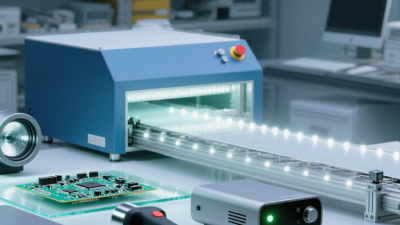
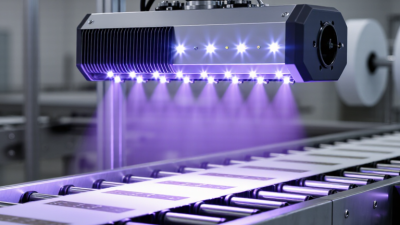
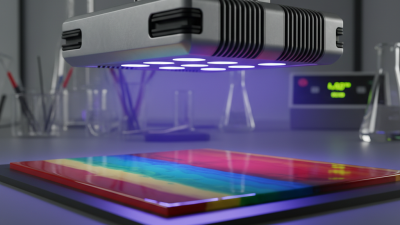
A UV curing light source is a system that delivers ultraviolet energy to start a chemical reaction in a light-sensitive material. The reaction can harden inks, coatings, adhesives, or resins within seconds. It is not simply a bright lamp. Its wavelength, intensity, exposure time, and beam shape all affect the result.
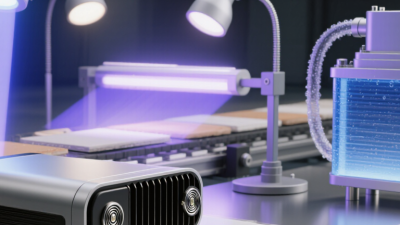
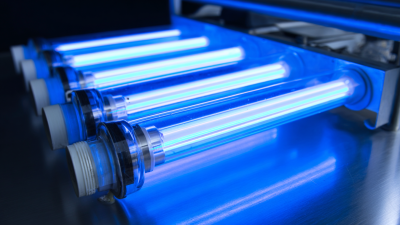
Common sources include UV LEDs and arc lamps. LED systems often provide focused output at selected wavelengths, such as 365 or 395 nanometres. The right wavelength depends on the material’s photoinitiator, so one setting will not suit every formula. A source may also include a power supply, optical lens, cooling parts, and controls. Each part helps keep exposure consistent.
In production, even a small change in distance can affect curing across a work surface. That matters. A narrow beam may cure the centre while leaving edges tacky, especially on a wide or uneven part. Operators should check irradiance and exposure time at the actual working distance, rather than relying on lamp brightness alone. It is easy to blame the source too quickly. Material thickness, surface shadows, and poor wavelength matching can also cause weak curing. A simple test piece often reveals more than a quick visual check.
How Do UV Curing Light Sources Work?
A UV curing light source delivers ultraviolet energy to a coating, ink, or adhesive. Many formulations contain photoinitiators, compounds that absorb specific wavelengths. Absorbed energy forms reactive molecules, which trigger polymerization and link liquid ingredients into a solid network. The change can happen in seconds. Not always. Chemistry must match the light.
Wavelength is not a minor setting.
For example, a formulation designed for 365 nanometers may respond poorly to a source centered elsewhere. Some UV LED units emit a narrow band, while other sources cover a broader range. Check the formulation’s curing data rather than guessing.
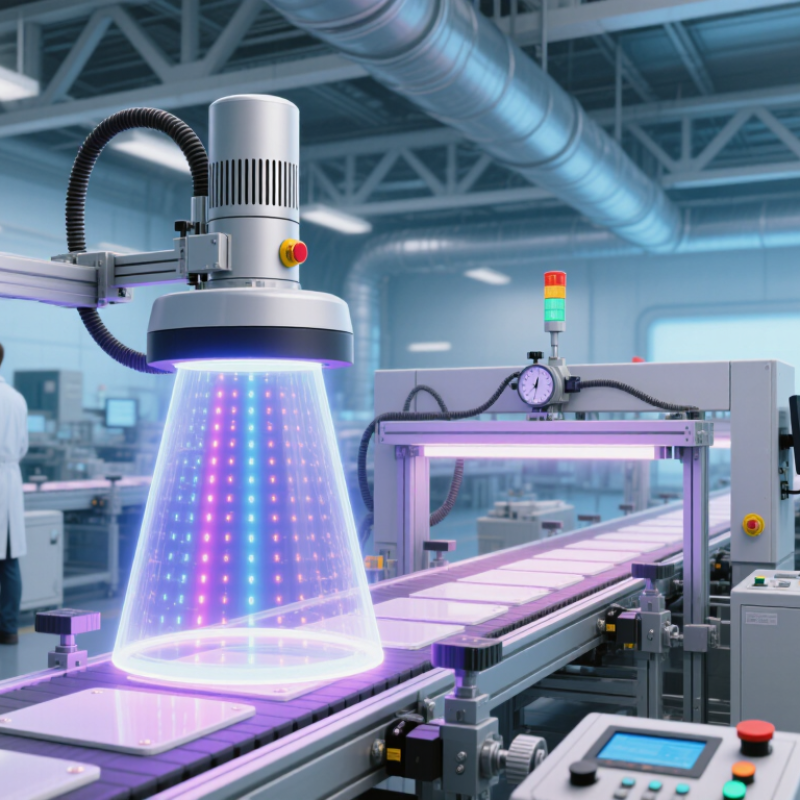
On a production line, three factors matter: wavelength, irradiance, and exposure time.
Irradiance describes the power reaching the surface; dose combines that intensity with time. A radiometer can verify output at the actual working distance, not only beside the lamp. Even a few centimeters can change the energy received. Shadows, thick layers, pigments, and curved parts may block or scatter light. A surface can feel dry while material underneath remains under-cured. Depth matters, too. Heat deserves attention, especially with temperature-sensitive substrates. Test the real part, measure consistently, and inspect both surface and depth. No single lamp rating tells the whole story.
How to Evaluate UV Curing Light Source Manufacturers in China
How to Evaluate UV Curing Light Source Manufacturers in China
When comparing UV curing light source manufacturers in China, look beyond advertised power. Ask for the output wavelength, irradiance readings, and measurement distance. A credible supplier should explain how readings were taken and provide test data for the proposed configuration. Check whether light intensity stays consistent across the curing area. Small differences can matter on a moving production line. Numbers matter.
Tips: Request a sample test using your own material, target curing time, and working distance. Check the temperature near the lamp after continuous operation. Ask what cooling method is used and how often optical components need inspection. A polished brochure can still leave gaps.
Evaluate manufacturing quality through practical questions: Are units checked before shipment? Can the supplier share inspection records and explain how failures are handled? Confirm lead times, spare-part availability, and technical support hours in writing. If possible, speak with an engineer, not only a sales contact. A factory visit or live production demonstration can reveal details that product photos miss. No checklist removes every risk; even a careful evaluation can overlook a weak point. Keep your test conditions documented, including material thickness and conveyor speed, so supplier claims can be compared fairly.
Which Chinese Manufacturer Best Fits Your Application?
Choosing a Chinese UV curing light source manufacturer starts with your process, not a catalogue. What resin, coating, or adhesive must cure, and how quickly? A line curing a narrow bead may need a different optical setup from one treating a wide panel. That matters. Ask for the wavelength range, measured irradiance, and working distance used in the test. Numbers without test conditions are hard to compare.
Check whether the source fits your equipment and production environment. Confirm the emitting area, cooling method, controller interface, and available space around the curing station. If the light sits close to heat-sensitive parts, request thermal measurements under realistic operating conditions. A useful supplier should explain how output changes with distance and time, and provide test records you can review. A sample can look strong on a bench yet perform unevenly across a moving web. Not always.
Before choosing, run a trial with your own material and target speed. Measure cure quality at the center and edges, then repeat after the unit has warmed up. Ask how the manufacturer handles calibration, replacement components, and technical support across your time zone. Small details count. One awkward point: some specifications may still leave uncertainty about long-term consistency. Record your acceptance limits, operating settings, and test results before scaling up.