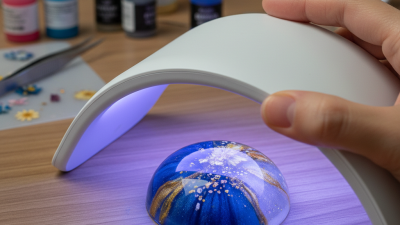
Why Choose Uv Drying Lamp for Your Business Needs?
In today's competitive business landscape, efficiency and quality are paramount. The Uv Drying Lamp emerges as a reliable tool for achieving both. This technology utilizes ultraviolet light to cure materials, ensuring faster drying times and improved quality of finished products. Industries such as printing, coating, and textiles can greatly benefit from its application.
However, opting for a Uv Drying Lamp requires careful consideration. The initial investment may be significant, and potential users must assess their specific needs. Understanding the nuances of operation and maintenance is essential. Each application may demand a different approach, highlighting the need for expertise. Mistakes in selection can lead to unsatisfactory results, underscoring the importance of sound judgment.
Investing in a Uv Drying Lamp can revolutionize your operational processes. However, weighing the pros and cons is vital. Do your research, and seek professional advice if needed. This technology has the potential to enhance productivity and quality but requires thoughtful implementation for best results.
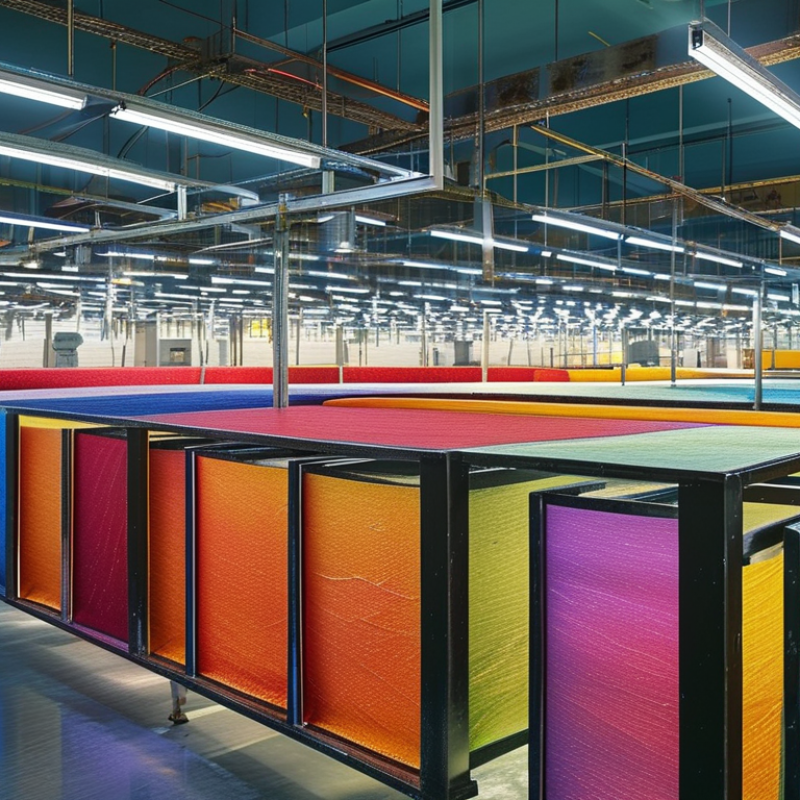
Benefits of UV Drying Lamps for Commercial Applications
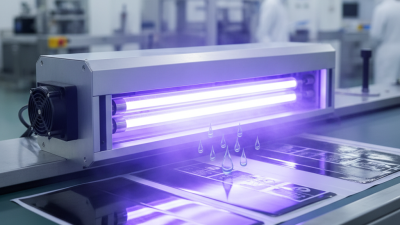
The benefits of UV drying lamps for commercial applications are substantial. These lamps provide quick curing times, making them ideal for industries that require fast production turnover. With the ability to cure coatings, inks, and adhesives in seconds, businesses can improve efficiency. This quick curing decreases bottlenecks and enhances overall workflow.
Utilizing UV drying lamps also contributes to energy savings. Compared to traditional drying methods, UV lamps consume less energy, which is a significant cost advantage. Companies can reduce their utility bills while increasing productivity. It's crucial, however, to ensure that the lamps are set up correctly for maximum efficiency. Improper setup can lead to longer curing times and wasted resources.
Tip: Regularly maintain your UV drying equipment. This ensures optimal performance and helps identify potential issues early. Also, educate your staff about UV safety practices. Training helps prevent accidents and promotes a better working environment. Making these adjustments can lead to smoother operations and more reliable outcomes.
Understanding the Technology Behind UV Drying Lamps
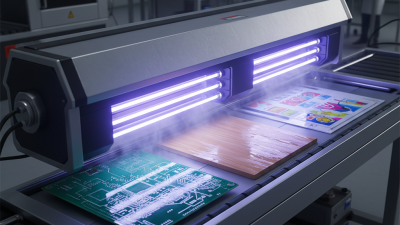
UV drying lamps utilize ultraviolet light to cure inks, coatings, and adhesives quickly. The technology behind these lamps focuses on photopolymerization. When exposed to UV light, specific substances react and harden almost instantly. This rapid curing is crucial for industries that prioritize efficiency and quality.
Understanding the mechanics behind UV drying involves delving into the wavelength of light emitted. Shorter wavelengths are more effective at triggering chemical reactions in the materials being used. This precision allows for a consistent and robust final product. However, there can be challenges. Not every substrate reacts similarly to UV light, and some materials require a tailored approach.
Incorporating UV drying lamps can dramatically increase production speeds. Nonetheless, businesses must ensure proper safety protocols. UV light can be harmful when not managed correctly, necessitating precautions for operators. Exploring UV technology is essential for any business seeking reliability and timely delivery in their production line.
Comparative Analysis: UV Drying vs. Traditional Drying Methods
When comparing UV drying to traditional drying methods, several key differences emerge. Traditional drying processes can be time-consuming and often require extensive energy. For example, convection drying may take hours, consuming large amounts of electricity. A study by the National Renewable Energy Laboratory indicated that companies saw up to a 20% reduction in energy costs after switching to UV drying systems. This efficiency is appealing for businesses aiming to reduce operating costs while maintaining product quality.
UV drying technology provides rapid curing, transforming a wet product to a dry state almost instantly. The curing time can be reduced to mere seconds, which is a significant improvement. According to the Industrial Technology Institute, businesses using UV drying report an increase in production capacity by 30% on average. However, notable challenges exist. The initial investment in UV technology can be higher, and not all materials are compatible. Some products might require experimental adjustments to achieve optimal results.
Furthermore, UV systems demand regular maintenance. If failure occurs, it can lead to costly downtimes. While the energy efficiency of UV drying is significant, companies should consider their specific needs and material types. Transitioning to UV drying may not be universally beneficial, and careful evaluation is crucial.
Factors to Consider When Choosing a UV Drying Lamp
When selecting a UV drying lamp for your business, several factors come into play. The intensity of the UV light is paramount. Higher intensity means faster drying times, which can enhance productivity. However, excessive intensity may damage some materials. It's crucial to strike a balance that suits your specific needs.
Consider the size and design of the UV lamp. A compact model may fit well in smaller workspaces, but it might compromise coverage. On the other hand, larger units provide broad exposure but require more space. Assess your workflow to determine the best option.
Another vital aspect is the lamp's wavelength. Different wavelengths affect various materials differently. Ensure the UV wavelength is compatible with the items you intend to dry. Don't overlook safety features either; effective shielding reduces the risk of UV exposure to operators. Reflecting on these elements will lead to a well-informed decision.
Why Choose Uv Drying Lamp for Your Business Needs? - Factors to Consider When Choosing a UV Drying Lamp
| Feature |
Importance Level (1-5) |
Considerations |
| Wavelength Range |
5 |
Choose a lamp that matches the specific curing needs of your materials. |
| Power Output |
4 |
Higher power output can reduce curing time, but ensure compatibility with your setup. |
| Size of the Lamp |
3 |
Assess the workspace to choose a lamp that fits without taking up excessive space. |
| Energy Efficiency |
4 |
Look for models that minimize energy consumption while maintaining performance. |
| Durability |
5 |
Invest in lamps made from high-quality materials for longevity. |
| Cost |
3 |
Balance between initial investment and long-term benefits. |
| Cooling System |
4 |
Effective cooling systems can prolong lamp life and enhance safety. |
| User Reviews |
4 |
Check customer experiences and recommendations for insight into performance. |
Cost-Effectiveness of UV Drying in Business Operations
The integration of UV drying lamps in business operations offers significant cost advantages. According to a recent industry report, businesses adopting UV drying solutions can reduce drying times by up to 50%. This efficiency leads to faster turnaround times, ultimately boosting productivity and revenue streams. Moreover, energy consumption is noticeably lower than traditional drying methods. A study revealed that UV technologies can cut energy costs by approximately 30%.
However, the transition to UV drying is not without challenges. Initial setup costs can be a concern for small businesses. Additionally, the requirement for specialized training can pose barriers. Companies must invest in employee education to ensure proper usage of UV drying systems. Industry professionals stress that understanding the technology is crucial for maximizing benefits.
Despite these potential drawbacks, the return on investment often justifies the initial hurdles. Businesses that track performance metrics have noted increased operational efficiency. A significant percentage reported reduced waste, as UV drying allows for precise control over the curing process. Thus, while there are steps to consider, the long-term advantages may greatly outweigh early difficulties.