How to Use an Ultraviolet Light Lamp for Disinfection?
In the quest for cleanliness, many are turning to the Ultraviolet Light Lamp. This technology offers a promising approach to killing germs and viruses. With the rise of health concerns, understanding its proper use becomes crucial.
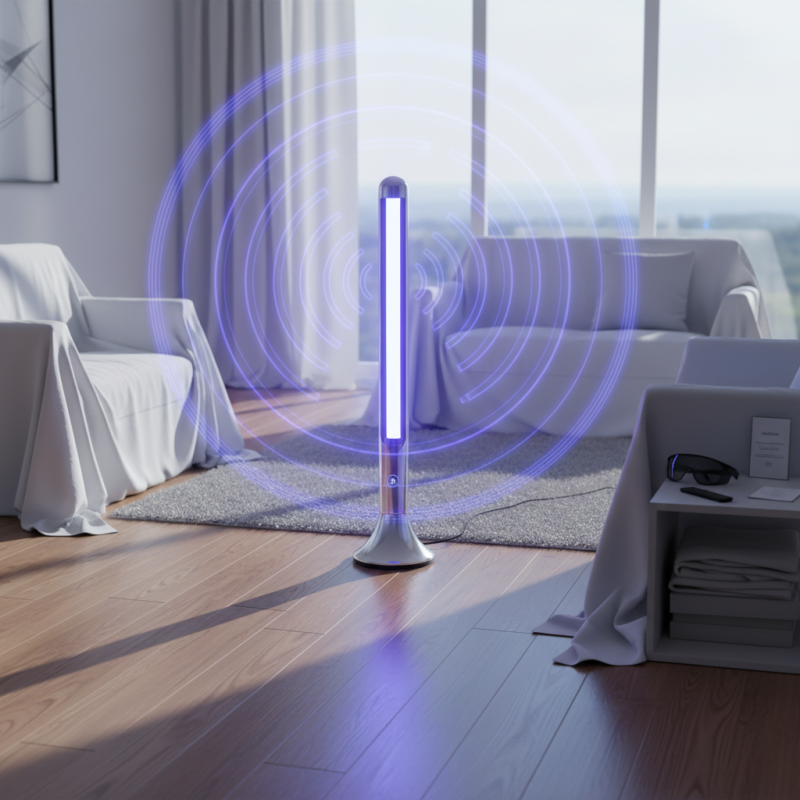
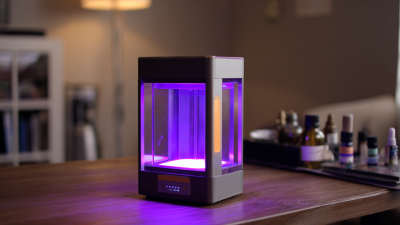
An Ultraviolet Light Lamp emits UV light, which can effectively eliminate pathogens. When placed in rooms or used on surfaces, it can sanitize areas that are often missed. However, safety precautions are necessary. Direct exposure to skin can be harmful. Always follow the manufacturer’s guidelines.
Using an Ultraviolet Light Lamp requires a bit of planning. Consider areas that need the most attention. Ensure that the space is clear and people are away. Recognizing its limitations is vital. Some materials can block UV light, which leads to ineffective disinfection. Reflecting on these factors will enhance the effectiveness of this powerful tool.
Understanding Ultraviolet Light and Its Disinfection Properties
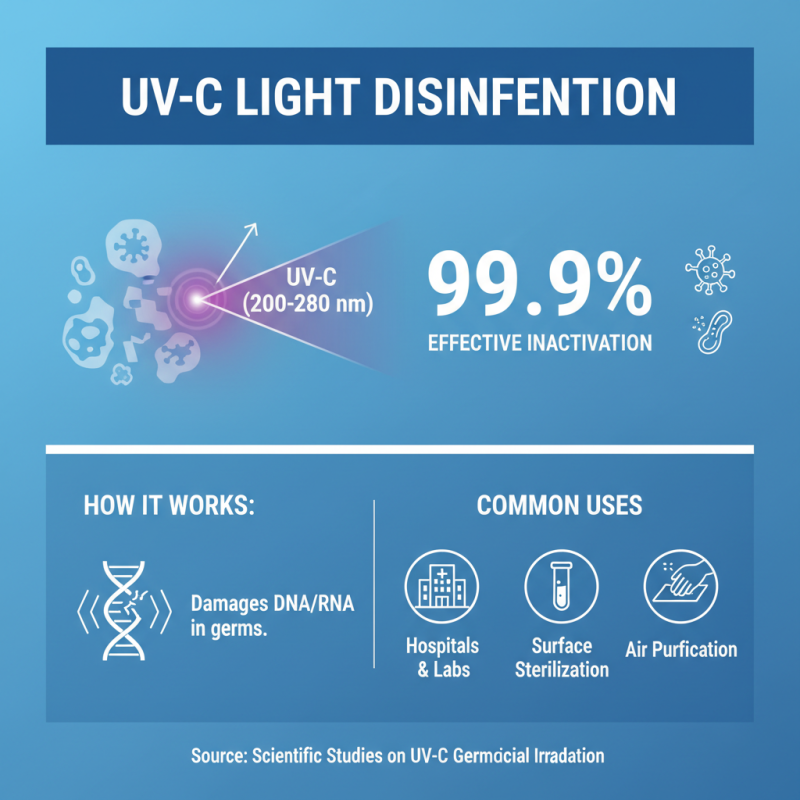
Ultraviolet (UV) light has proven to be an effective method for disinfection. UV-C light, particularly, operates in the wavelength range of 200 to 280 nanometers. Studies show that UV-C light can inactivate up to 99.9% of bacteria and viruses on surfaces. This capability makes it a valuable tool in various settings, including hospitals and laboratories.
When applied correctly, UV-C lamps can sterilize surfaces, air, and water. For instance, a report by the Environmental Protection Agency highlights that UV light can deactivate pathogens like the flu virus within seconds. Despite its efficiency, it’s vital to remember that direct exposure to skin or eyes can be harmful. Users must take precautions to avoid potential risks.
The effectiveness of UV disinfection can fluctuate based on multiple factors. Distance from the light source and the angle of exposure significantly impact results. Some germs are more resistant to UV light than others. For example, spores of certain bacteria may require longer exposure times. Thus, ongoing research seeks to understand how to optimize UV disinfection for varying pathogens. Keeping a critical perspective on UV technology can help ensure safer and more effective use.
Types of Ultraviolet Light Lamps and Their Applications
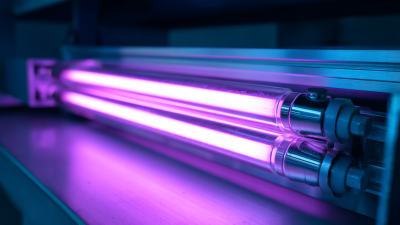
Ultraviolet (UV) light lamps come in various types, each designed for specific applications. One common type is the UV-C lamp. These lamps emit germicidal wavelengths that effectively kill microorganisms. They are often used in hospitals and laboratories for sanitizing surfaces and air.
Another type is the UV-A lamp. This lamp is primarily used for curing inks and coatings. It’s popular in industries that require quick drying times. However, UV-A can be less effective for disinfection purposes. Some people may be unaware of the critical difference between these lamp types, which could lead to poor choices.
Additionally, there’s the UV-B lamp, mainly used in agricultural environments. Farmers utilize these lamps for pest control. While UV-B is effective, misuse can harm beneficial insects. Users must strive to understand the risks associated with each type of UV lamp. Awareness is vital to ensure safe and effective disinfection.
Safety Precautions When Using Ultraviolet Light for Disinfection
When using ultraviolet (UV) light for disinfection, safety precautions are essential. UV light can be harmful to skin and eyes. According to the CDC, UV radiation can cause skin burns and eye injuries, so proper protective gear is crucial. Always wear UV-blocking goggles and gloves when operating a UV lamp. Ensure that the area is clear of people and pets.
UV disinfection works effectively on surfaces by destroying microorganisms. However, exposure time is key. Depending on the intensity of the lamp, surfaces should be exposed for several minutes to achieve optimal results. The effectiveness of UV light varies with distance. Moving the lamp closer can enhance disinfection, but be cautious of overexposure.
**Tips:** Always test the UV lamp in a small area first. This helps ensure it does not damage the surface. Maintain a safe distance when using the lamp to avoid accidental exposure. Lastly, consider incorporating UV light into a broader cleaning routine. This adds an extra layer of protection, but remember that it does not replace traditional cleaning methods. Regular cleaning is still necessary.
How to Use an Ultraviolet Light Lamp for Disinfection? - Safety Precautions When Using Ultraviolet Light for Disinfection
| Step |
Description |
Safety Precautions |
| 1 |
Choose the appropriate ultraviolet light lamp for disinfection purposes. |
Ensure the lamp is approved for disinfection use and check for certifications. |
| 2 |
Follow the manufacturer's instructions for setup and operation. |
Read the manual thoroughly before use and ensure all safety features are in place. |
| 3 |
Position the lamp at the correct distance from the surfaces to be disinfected. |
Wear UV protective goggles and ensure no skin exposure to UV light. |
| 4 |
Activate the lamp and allow it to run for the recommended exposure time. |
Keep the area unoccupied during disinfection and use warning signs. |
| 5 |
Turn off the lamp and wait for the surfaces to stabilize before contact. |
Ensure the UV light has completely turned off and no longer emits radiation. |
Step-by-Step Guide to Effectively Using an Ultraviolet Light Lamp
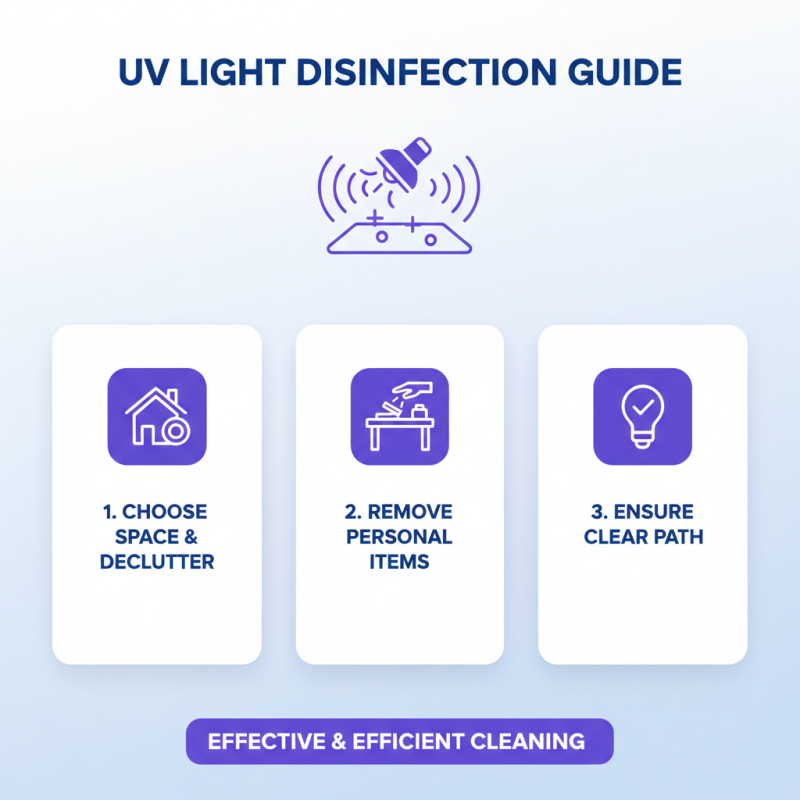
Using an ultraviolet (UV) light lamp for disinfection can be quite effective. It’s important to follow a step-by-step approach. Begin by choosing a suitable space to disinfect. Ensure the area is free from clutter. Remove any personal items. This clarity helps in effective disinfection.
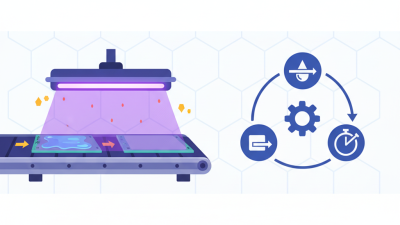
Next, prepare the UV lamp. Make sure it’s clean and functional. Position it at an appropriate distance from surfaces. Generally, about one meter works well. Turn off surrounding lights. This enhances the effectiveness of the UV light. Then, run the lamp for the specified duration. Aim for around 10-30 minutes, depending on the intensity of the lamp.
While using the UV lamp, be careful. Exposure to UV light can harm skin and eyes. So, always wear protective gear. Some might forget this. In addition, it’s crucial to check surfaces after disinfection. Do they look clean? If not, repeat the process. It’s worth taking the time to ensure everything is properly disinfected.
Maintaining Your Ultraviolet Light Lamp for Optimal Disinfection Efficiency
Maintaining your ultraviolet (UV) light lamp is essential for effective disinfection. Regular cleaning of the lamp is crucial. Dust and grime can accumulate on the surface, blocking UV rays. Use a soft, dry cloth to wipe the lamp weekly. Be gentle to avoid scratches. Inspect the lamp for any signs of wear or damage. Cracks can affect its performance. If you notice any issues, it’s time to replace it.
Another key aspect of maintenance is checking the bulb’s lifespan. UV bulbs don't last forever. They weaken over time, reducing disinfection efficiency. It’s often recommended to replace the bulb at least once a year. For optimal results, check the manufacturer's recommendations for your specific lamp. Store the lamp in a cool, dry place when not in use. Avoid leaving it under direct sunlight, as this can harm its components.
Reflecting on your usage habits is also important. Ensure you are using the lamp correctly and in the right conditions. Avoid exposing people or pets to direct UV light. This can lead to skin burns or eye damage. Always follow safety guidelines while operating the lamp. Adjust your approach based on your cleaning needs. Understanding these simple steps can enhance the disinfection efficiency of your UV lamp significantly.