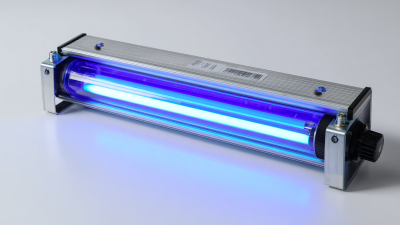
What is an Ultraviolet Light System and Why Do You Need It?
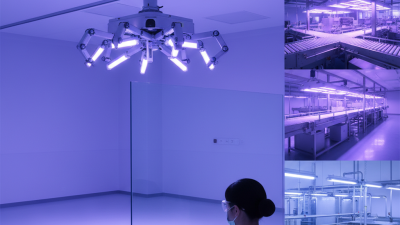
Ultraviolet Light Systems are transforming how we approach sanitation and safety in various industries. Dr. Emily Carter, a leading expert in environmental safety, states, "Ultraviolet light can effectively neutralize harmful pathogens that traditional methods may miss." This statement underscores the growing importance of Ultraviolet Light Systems in our daily lives.
These systems offer a proactive solution for disinfecting air and surfaces. In healthcare settings, for instance, they play a crucial role in reducing the spread of infections. Businesses and households alike are increasingly investing in these technologies. As public awareness of health and hygiene rises, so does the reliance on Ultraviolet Light Systems.
However, it's essential to recognize that these systems are not a one-size-fits-all answer. Users must understand their limitations and best practices. They require proper installation and maintenance to maximize efficacy. Additionally, Ultraviolet Light Systems should complement, not replace, conventional cleaning methods. In the quest for enhanced safety, balancing innovation with practical application is crucial.
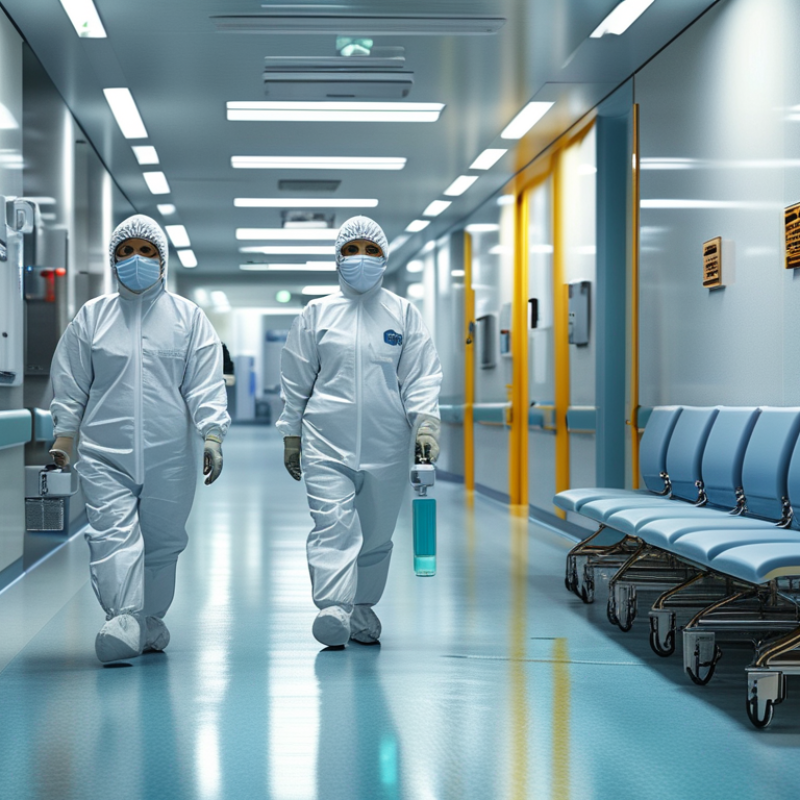
What is Ultraviolet Light and How Does It Work?
Ultraviolet (UV) light is part of the electromagnetic spectrum. It has wavelengths shorter than visible light, making it invisible to the human eye. UV light is divided into three types: UVA, UVB, and UVC. UVC light, which operates at wavelengths of 200-280 nanometers, is the most effective for sterilization. Its high energy can deactivate microorganisms, including viruses, bacteria, and mold.
Research has shown that UV light can reduce pathogens by 99.9% when used effectively. A report from the World Health Organization states that UV-C systems can dramatically improve air quality in various settings. Using these systems can significantly minimize risks related to airborne diseases. However, reliance solely on UV systems is not ideal. They do not eliminate all pollutants, and not everyone understands their use properly.
Implementing a UV light system requires careful consideration. Coverage, exposure time, and intensity must align for efficacy. Many facilities overlook these factors, leading to suboptimal results. Regular maintenance and monitoring of UV systems are crucial for consistent performance. Adopting a holistic approach that complements UV technologies with other safety measures offers a more reliable solution for health protection.
Types of Ultraviolet Light Systems Available on the Market
Ultraviolet (UV) light systems are increasingly popular for various applications. They offer a range of options to suit different needs. Here are some common types found on the market today.
Mercury vapor lamps are a traditional choice. They produce UV light efficiently and are often used in commercial settings. However, they consume more energy compared to newer technologies. Another variant is the low-pressure mercury lamps, which are compact and more energy-efficient. These are excellent for disinfection but may not cover larger areas well.
LED UV systems are gaining popularity. They offer flexibility and can be tailored for specific tasks. These systems are energy-efficient and have a longer lifespan. However, their initial costs can be higher than other options. Each type has its strengths and weaknesses. Choosing the right system requires careful consideration of your specific needs and circumstances.
Types of Ultraviolet Light Systems Available on the Market
This chart displays the various types of ultraviolet (UV) light systems available in the market and their estimated usage percentages. UV light systems are essential for disinfection and sterilization purposes, especially in water treatment, air purification, and surface sanitization.
Key Benefits of Using an Ultraviolet Light System
Ultraviolet (UV) light systems are emerging as an effective solution for purification and sanitation. These systems harness UV-C light to eliminate harmful microorganisms. Research indicates that UV light can inactivate up to 99.9% of bacteria and viruses in a matter of seconds. This capability makes UV systems increasingly popular in water treatment, air purification, and surface decontamination.
One key benefit of utilizing UV light is its chemical-free process. Unlike traditional cleaning methods, UV systems do not introduce harmful chemicals into the environment. This is essential in settings like hospitals, where the presence of chemical residues can pose risks to patients. Furthermore, the system operates swiftly. For instance, a recent industry report noted that UV treatment can sterilize water at a rate of over 15 gallons per minute. This efficiency contributes to effective sanitation without compromising time or safety.
Moreover, UV systems offer long-term cost savings. They require minimal maintenance and have no consumables, unlike chemical treatments. Yet, not all UV systems are created equal. There are concerns about the effectiveness of certain units if not maintained correctly. Regular inspection and proper usage are vital for optimal performance. Users must remain vigilant, as reliance on a UV system without adequate understanding may lead to false confidence in its efficacy.
Common Applications of Ultraviolet Light Systems
Ultraviolet (UV) light systems play a vital role in various fields. They are widely used for sterilization purposes. Water treatment facilities often employ UV light to eliminate harmful pathogens. This method is both effective and environmentally friendly, with no chemical residues. Hospitals also utilize UV systems for disinfecting surfaces, ensuring patient safety.
In addition to healthcare, UV light systems are beneficial in the food industry. They help in extending the shelf life of products by reducing microbial contamination. This technique enhances food safety without altering taste or nutritional value. Furthermore, UV systems are employed in HVAC systems to improve air quality. By killing mold and bacteria, they create a healthier indoor environment.
Despite their advantages, not every application is perfect. Some facilities may underestimate the importance of proper maintenance for UV systems. Lack of regular checks can lead to reduced efficiency. Educating staff on the operational aspects is crucial. The effectiveness of UV systems relies heavily on correct installation and usage. Environmental factors can also influence their performance. Awareness and training are essential for maximizing the benefits of ultraviolet light systems.
Considerations for Choosing the Right Ultraviolet Light System
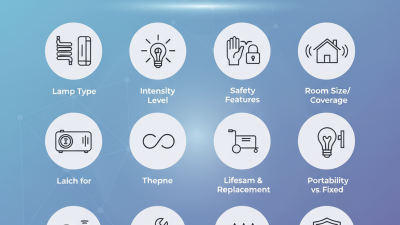
When choosing the right ultraviolet (UV) light system, consider your specific needs. Different applications require various UV wavelengths. For water purification, a system with a specific wavelength range is vital. Some setups may not meet these standards, leading to ineffective disinfection. Understand the factors instead of relying on general advice.
Think about the size of the area you want to cover. Small spaces may not need high-intensity systems. However, larger areas might require multiple units to ensure full effectiveness. Many users overlook maintenance needs. A system that is hard to clean might lead to reduced performance over time.
Be aware of safety features as well. UV light can be harmful if not handled properly. Systems with built-in safety measures offer peace of mind. Still, users should always operate them carefully. Overall, finding the ideal UV light system takes time and research. Don’t rush; prioritize your health and safety.