Top Uv Led Curing Equipment for Efficient Industrial Applications?
In today's fast-evolving industrial landscape, UV LED curing equipment has emerged as a pivotal technology. This equipment significantly enhances manufacturing efficiency, with studies indicating a 30% reduction in production time compared to traditional methods. Many industries, including automotive, electronics, and specialty printing, now rely on UV LED technologies for their curing processes.
A key advantage of UV LED curing equipment is its energy efficiency. Reports show that these systems consume up to 80% less energy than older UV systems. This not only lowers operational costs but also contributes to sustainable production practices. However, the transition to UV LED technology is not without challenges. Industries must consider the initial investment and training requirements for effective implementation.
Despite the benefits, some users still encounter issues with adhesion and curing depth. These concerns highlight the need for ongoing research and development in UV LED technologies. Investing in high-quality UV LED curing equipment can lead to improved product quality and operational efficiency, yet it's essential to weigh the potential hurdles. This balance of efficiency and challenges makes the exploration of UV LED curing equipment vital for future industrial innovations.
Overview of UV LED Curing Technology and Its Applications
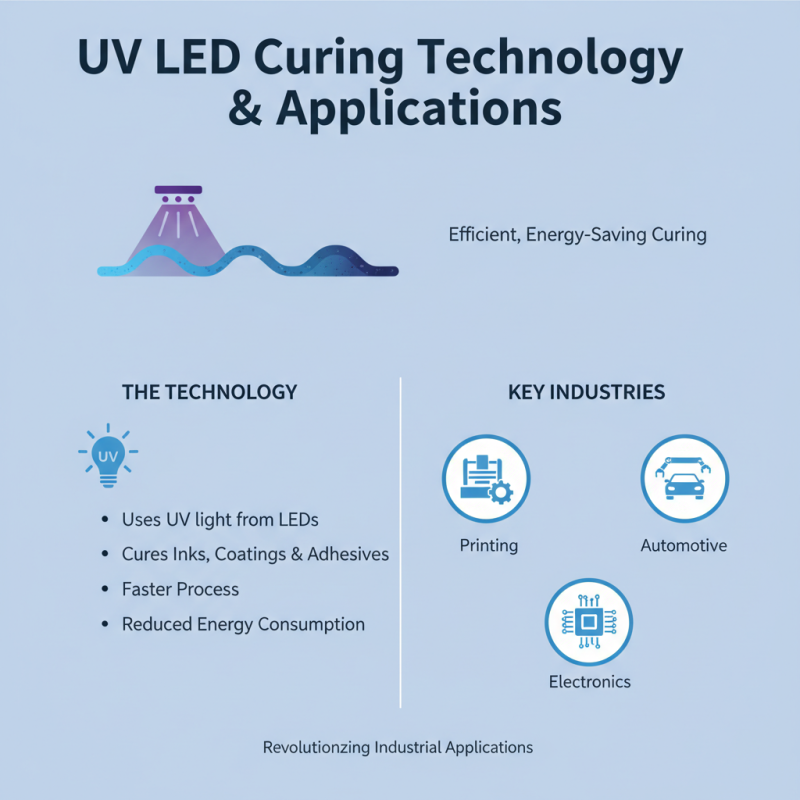
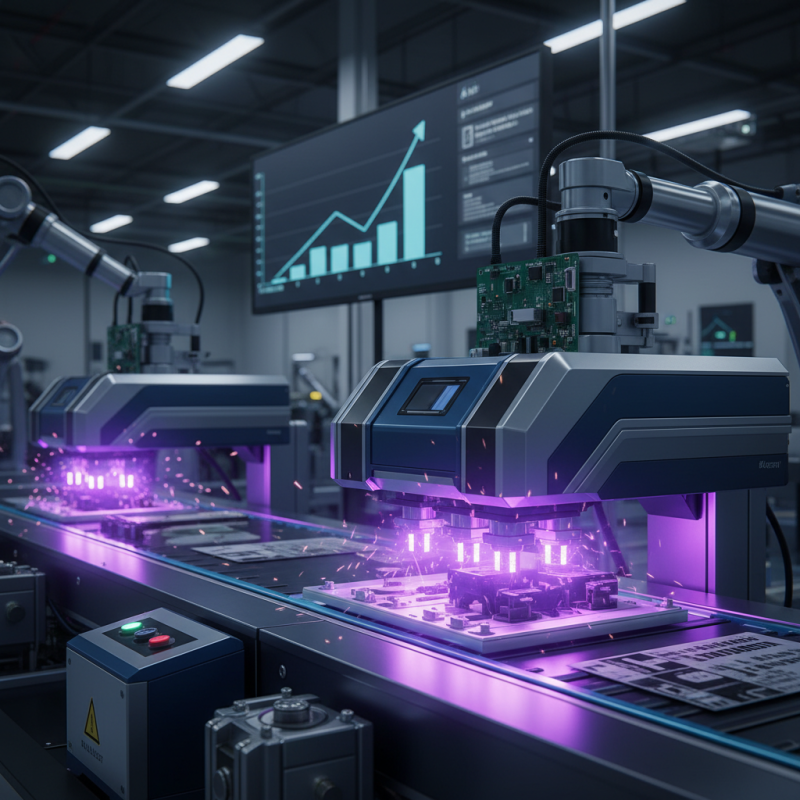
UV LED curing technology has revolutionized various industrial applications. This innovative method uses ultraviolet light emitted from LEDs to cure or dry inks, coatings, and adhesives. The process is efficient and energy-saving compared to traditional curing methods. Industries such as printing, automotive, and electronics benefit greatly from this technology.
The experience in UV LED curing shows that it offers fast curing times, which enhances productivity. Operators can achieve a solid finish almost instantly. This rapid curing minimizes the risk of defects and improves the overall quality of the finished product. Additionally, UV LED systems produce less heat, reducing the risk of heat-related damage to sensitive substrates.
However, implementing this technology is not always straightforward. Businesses must consider the initial investment costs and the need for proper training. Users may face challenges in adjusting the settings for different materials. It's essential to understand the unique requirements of each application to avoid under or over-curing issues. Companies should continuously review their processes for optimal performance and quality assurance.
Key Features of Effective UV LED Curing Equipment
The effectiveness of UV LED curing equipment is paramount in industrial applications. Core features drive efficiency and performance. High intensity and precise wavelength are essential. Ideal curing often requires light sources in the 385-395 nm range, known for effective polymerization. Industry data shows that systems delivering higher irradiance result in faster curing times.
Temperature management is also critical. Excessive heat can damage substrates. Many units now include advanced cooling mechanisms to maintain optimal temperatures. The integration of sensor technology further enhances reliability. Reports indicate a 25% reduction in production errors when using adaptive systems.
The ability to cure a variety of materials is beneficial. Flexibility in application can lead to cost savings. However, finding equipment that meets all substrate specifications can be challenging. Factors such as bed size and user-friendly interfaces should not be overlooked. These aspects contribute significantly to the overall user experience and operational efficiency.
Top UV LED Curing Equipment for Efficient Industrial Applications
| Model |
Wavelength (nm) |
Power Output (W) |
Curing Speed (m/min) |
Energy Efficiency (%) |
Cooling System |
| Model A |
365 |
100 |
20 |
85 |
Air-Cooled |
| Model B |
395 |
120 |
30 |
90 |
Water-Cooled |
| Model C |
350 |
150 |
25 |
88 |
Hybrid |
| Model D |
395 |
80 |
15 |
82 |
Air-Cooled |
Comparison of Leading UV LED Curing Equipment Brands
When assessing UV LED curing equipment, several brands stand out due to their capabilities in industrial settings. These systems utilize UV radiation for curing inks, coatings, and adhesives quickly and efficiently. The technology has evolved significantly, making it essential to compare key players in this market.
A critical factor in your decision is the intensity and wavelength range. Some equipment offers adjustable settings, allowing for versatility in various applications. Keep in mind that not all units provide the same energy output. Therefore, evaluating the specifics is crucial. A piece of advice: check for units with a proven track record in your desired industry. Reviews and user feedback can reveal hidden strengths or weaknesses.
Efficiency is another vital element. Modern UV LED systems consume less power, which can lead to reduced operational costs. However, some cheaper options may sacrifice quality for energy savings. Always consider the longevity and maintenance requirements of the equipment. It’s wise to request detailed information about warranty and service practices.
In conclusion, selecting the right UV LED curing equipment requires diligent research and careful consideration of available features. Each brand has unique strengths that may cater to specific industrial needs. Ensure your choice aligns with your production goals and operational demands.
Maintenance Tips for Optimal Performance of UV LED Curing Systems
Maintaining UV LED curing systems is crucial for optimal performance. Regular cleaning is essential. Dust and debris can hinder efficiency. Operators should use a soft cloth for cleaning surfaces. Inspecting the lenses and reflectors monthly helps keep the unit at peak performance. Even small smudges can impact light output.
Temperature control is another factor. UV LED systems operate best within specified limits. High temperatures can cause premature aging of components. Regularly check cooling systems to prevent overheating. If alarms indicate temperature issues, investigate immediately. Many users overlook cooling solutions, leading to unnecessary repairs.
Lastly, ensure that the curing unit is calibrated correctly. Mismatched settings can result in poor adhesion or curing inconsistencies. Keep an eye on the power output. If it fluctuates, perform a recalibration. Documenting performance data helps track changes and potential problems. Ignoring these aspects may lead to costly downtime.
Future Trends in UV LED Curing Technology for Industrial Use
The future of UV LED curing technology is bright and promising for various industrial applications. According to a recent report by MarketsandMarkets, the global UV curing market is projected to reach $2.9 billion by 2025, growing at a rate of 9.2% annually. This growth is largely driven by the increasing demand for energy-efficient and sustainable solutions. UV LED curing systems consume less power compared to traditional curing methods, which can lead to significant cost savings for manufacturers.
One key trend is the miniaturization of UV LED equipment. Smaller curing units can be more easily integrated into existing production lines. This adaptability reduces downtime and improves production efficiency. However, industries still struggle with the high initial costs of UV LED technology. Investing in UV equipment can be a barrier for smaller manufacturers. Despite this, more companies are recognizing the long-term benefits, such as reduced waste and faster curing times which ultimately lead to better product quality.
Another significant trend involves the development of flexible UV LED solutions. Flexible systems can adapt to various substrates, including plastics and textiles. This versatility allows for customization in production processes. Yet, some challenges remain, such as achieving consistent performance across different materials. The industry must continue innovating to address these gaps. As technology evolves, it is crucial to prioritize reliability and sustainability in UV LED curing solutions.