Top Led Curing Lamps in China for Global Buyers?
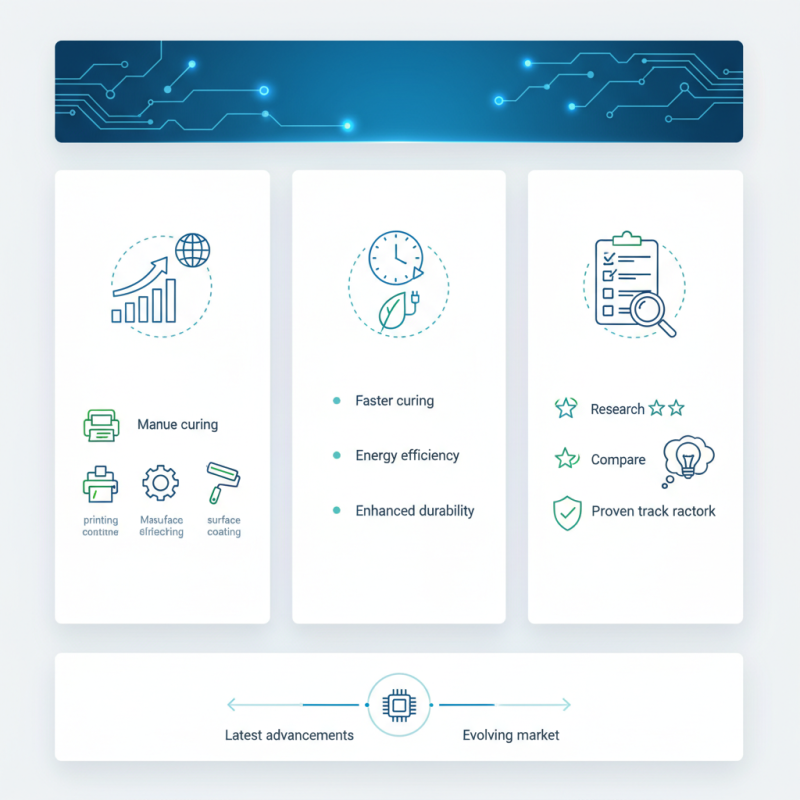
The demand for Led Curing Lamps is rising globally, and China has emerged as a key player in this market. These innovative lamps are utilized in various sectors, including printing, manufacturing, and surface coating. The benefits of using Led Curing Lamps are numerous; they offer faster curing times, energy efficiency, and enhanced durability. Industry professionals praise these lamps for their ability to reduce operational costs.
However, navigating the diverse range of products can be challenging for international buyers. With numerous manufacturers, the quality and reliability of Led Curing Lamps can vary significantly. Buyers must conduct thorough research and compare specifications to make informed decisions. It's crucial to look for brands with a proven track record and positive customer feedback.
As the market continues to evolve, it's essential to stay updated on the latest advancements in Led Curing technology. The innovations in this field can greatly affect performance and efficiency. Buyers must be willing to assess their specific needs and expectations. This careful approach will ultimately lead to better investment outcomes in this promising sector.
Overview of LED Curing Lamps Market in China
The LED curing lamps market in China is experiencing rapid growth. According to recent reports, the market size is projected to reach approximately $2 billion by 2025, expanding at a CAGR of over 15%. This growth is driven by advancements in LED technology and increased demand for energy-efficient solutions across diverse applications, including industrial and medical sectors.
It's important to highlight specific trends in the market. Many manufacturers are shifting toward innovative designs that enhance performance. For instance, a recent study found that 75% of buyers prioritize lamp durability and wavelength accuracy when making purchasing decisions. As the competition heats up, suppliers must adapt to these evolving preferences.
Tips: When considering LED curing lamps, assess the spectrum wavelength. An optimal match for your application can lead to better curing performance. Additionally, consider the energy consumption of the lamps. High efficiency not only reduces costs but also aligns with global sustainability goals. Lastly, always check for certification and safety standards to ensure product reliability. These actions can help buyers make more informed and reliable purchases in an expanding market.
Top LED Curing Lamps in China
This chart illustrates the growth of the LED curing lamps market in China from 2019 to 2023, highlighting the increasing market size in million USD over these years.
Key Features of Top LED Curing Lamps
LED curing lamps have gained significant traction in various industries. These lamps utilize ultraviolet (UV) light to cure adhesives, inks, and coatings rapidly. Recent industry reports suggest that the global LED curing market is expected to reach $3 billion by 2025, reflective of growing demand for efficient curing solutions.
Key features of top LED curing lamps include energy efficiency and minimal heat emission. Most high-quality models work at lower temperatures, reducing the risk of damaging heat-sensitive substrates. According to a study by Smithers Pira, LED lamps can achieve up to 60% energy savings compared to traditional UV lamps. This makes them an attractive choice for manufacturers conscious of operational costs.
Moreover, advanced LED curing lamps offer variable output intensities, which allows for customized curing processes. This adaptability is crucial for applications where uniformity in curing is essential. Many users report challenges in achieving consistent results with traditional curing methods, prompting a shift toward more reliable LED technologies. As the market continues to evolve, further innovations may address these shortcomings, enhancing overall user experience.
Top LED Curing Lamps in China for Global Buyers - Key Features
| Model |
Wavelength (nm) |
Power (W) |
Cure Time (Seconds) |
Applications |
| Model A |
385 |
50 |
10 |
Nail Gel, Resin |
| Model B |
395 |
60 |
8 |
Ink, Paint |
| Model C |
400 |
70 |
6 |
Adhesives, Coatings |
| Model D |
410 |
80 |
5 |
Composite Materials |
| Model E |
420 |
90 |
4 |
3D Printing |
Leading Manufacturers of LED Curing Lamps in China
China is home to numerous manufacturers of LED curing lamps. These lamps play a critical role in various industries, including printing, coatings, and adhesives. The demand for high-quality LED curing lamps has surged in recent years due to their efficiency and environmental benefits.
Leading manufacturers in China focus on innovation and quality assurance. Many have invested in advanced technology to enhance lamp performance. However, there are still challenges in consistency among products. Some users report variations in curing times and light intensity. This indicates a need for more standardized testing and quality control measures across the industry.
When sourcing LED curing lamps, global buyers should consider several factors. It’s essential to assess the manufacturer’s expertise and reputation in the field. Checking certifications and compliance with international standards can help ensure reliability. Engaging with suppliers through industry expos or online forums can also provide valuable insights into their product offerings and capabilities. A nuanced understanding of these elements is crucial for making informed purchasing decisions.
Comparative Analysis of Pricing and Performance
China is making waves in the global market with its advanced LED curing lamps. Buyers from around the world seek reliable and efficient options. This comparative analysis focuses on pricing and performance.
When assessing LED curing lamps, performance metrics are essential. Look for factors like irradiance, wavelength, and lifespan. High irradiance levels ensure quicker curing times, while a suitable wavelength enhances production versatility. Budget constraints often dictate choices. Some lamps might come at lower costs, but performance can suffer.
Tips: Always consider long-term savings. A slightly higher initial investment in a quality lamp may pay off in reduced replacement costs. Reading user reviews can provide real-world insights.
Reliability is another significant factor. Some cost-effective options may not withstand intensive use. Durability tests can reveal how different models perform over time. It's crucial to analyze warranties and service agreements.
Tip: A lamp with robust support can prove invaluable. Check performance reports to avoid unexpected failures. Investing time in research is vital for making informed choices.
Global Trends and Future Prospects for LED Curing Technology
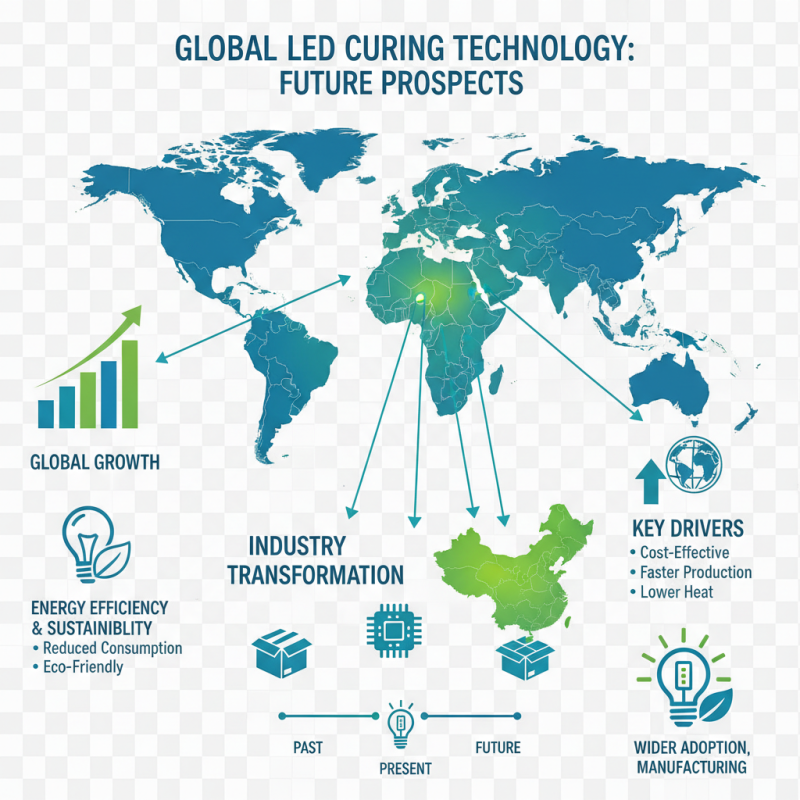
LED curing technology has seen significant growth globally, particularly in China. This innovation is transforming diverse industries, such as automotive, electronics, and packaging. Manufacturers are increasingly turning to LED lamps for their efficiency and environmental benefits. They consume less energy compared to traditional curing methods. This shift reflects a broader concern for sustainability.
Current trends show a movement towards higher intensity and multi-wavelength LED curing systems. These advancements allow finer control over curing processes. Yet, there is a learning curve for many users. Some face challenges in integrating these new systems with existing workflows. Feedback suggests that continuous education and training are essential for maximizing these technologies.
Looking to the future, LED curing technology is likely to evolve even further. As research progresses, we might see innovations in materials and designs that enhance performance. However, the market still requires thoughtful assessment. Stakeholders need to address potential reliability issues and ensure that these technologies meet varying industrial needs. Balancing innovation with practical applications will be key in the coming years.