2026 How to Choose the Best UV Glue Curing Lamp?
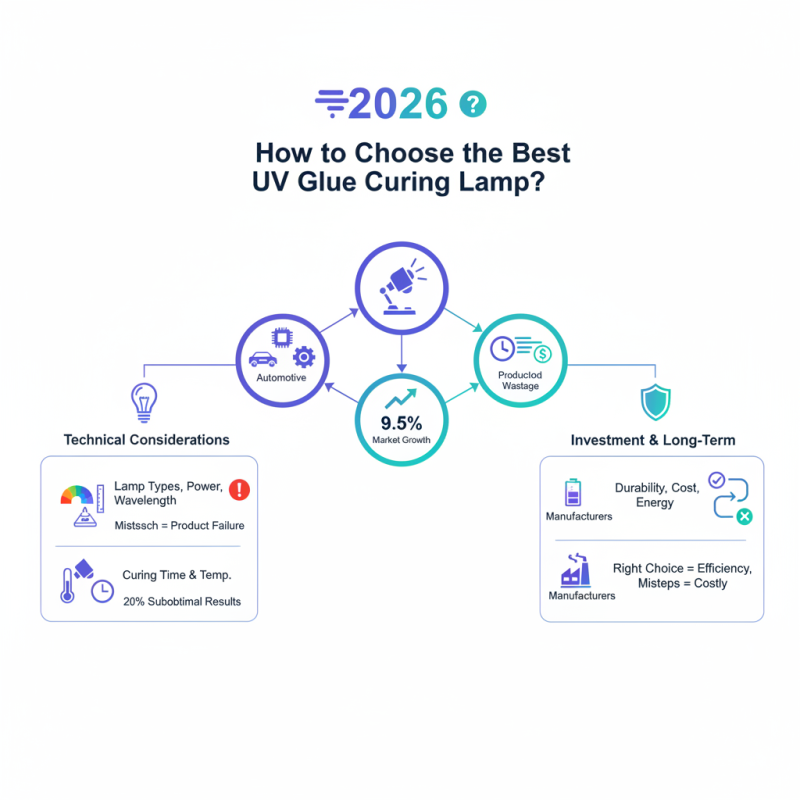
In the rapidly evolving field of adhesive technologies, choosing the right UV Glue Curing Lamp is critical. With a projected market growth of 9.5% annually, UV curing systems have become indispensable in various industries. Companies increasingly rely on these lamps for applications ranging from automotive to electronics. The efficiency of UV glue curing enhances production speed and reduces wastage, but selecting the appropriate lamp involves several considerations.
Understanding lamp types, power outputs, and wavelength ranges is essential. For instance, a common issue is the mismatch of lamp specifications with adhesive formulations. This can lead to ineffective curing and ultimately product failure. It is not just about brightness; it also involves understanding the curing time and temperature constraints of different UV adhesives. Reports indicate that improper selections in 20% of cases lead to suboptimal results.
Investing in high-quality UV Glue Curing Lamps can be daunting. Factors like durability, replacement cost, and energy consumption often weigh heavily on decisions. As more manufacturers explore these technologies, it becomes important to reflect on the long-term implications of their choices. The right UV lamp can make a substantial difference, but missteps can be costly and time-consuming.
Understanding UV Glue Curing: An Overview of the Technology
UV glue curing technology has revolutionized adhesive applications in various industries. This method uses ultraviolet light to cure adhesive materials quickly and effectively. When exposed to UV light, specific chemicals in the glue undergo a transformation. This results in a strong, durable bond that is often more reliable than traditional curing methods.
Understanding how UV glue curing works is crucial for selecting the right equipment. The lamp's wavelength is essential; it should match the adhesive's requirements. Not all glues react to the same UV light spectrum. It’s important to test the glue and lamp combination before making a final choice. Some users might overlook this, leading to subpar results.
Additionally, different lamps offer varying intensities and curing speeds. A higher intensity may cure faster but can cause overheating or damage. Achieving a balance is key. Users should also consider their working environment; ensuring adequate ventilation is necessary since fumes may be released. Finding the perfect UV curing solution requires reflection and careful consideration of needs, materials, and processes.
Types of UV Glue Curing Lamps Available on the Market
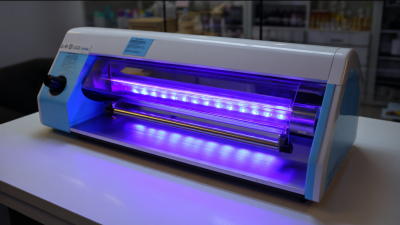
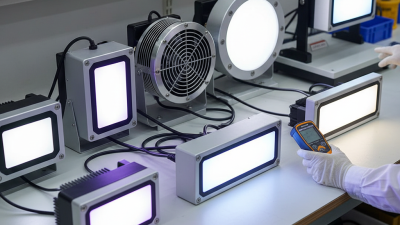
When looking for the right UV glue curing lamp, it's essential to know the types available. There are several options to consider. Stationary UV lamps are popular for their consistent output. They are ideal for larger projects and can cure materials quickly. Portable UV lamps, on the other hand, are more flexible. These compact options are perfect for smaller tasks and on-the-go repairs.
LED UV lamps offer another intriguing choice. They use less energy and have a longer lifespan. Moreover, they produce less heat, which can protect sensitive materials. However, their initial cost might be higher. Traditional mercury lamps are known for their powerful UV output but have environmental implications. Users often struggle with balancing performance and sustainability when choosing.
Each type of UV lamp has its pros and cons. There isn't a perfect solution for every project. Reflecting on specific needs can help guide decisions. Think about the duration and intensity required for your tasks. It may take time to find the right fit. Experimentation with different options could lead to better results.
2026 UV Glue Curing Lamp Types and Performance Comparison
Key Factors to Consider When Choosing a UV Glue Curing Lamp
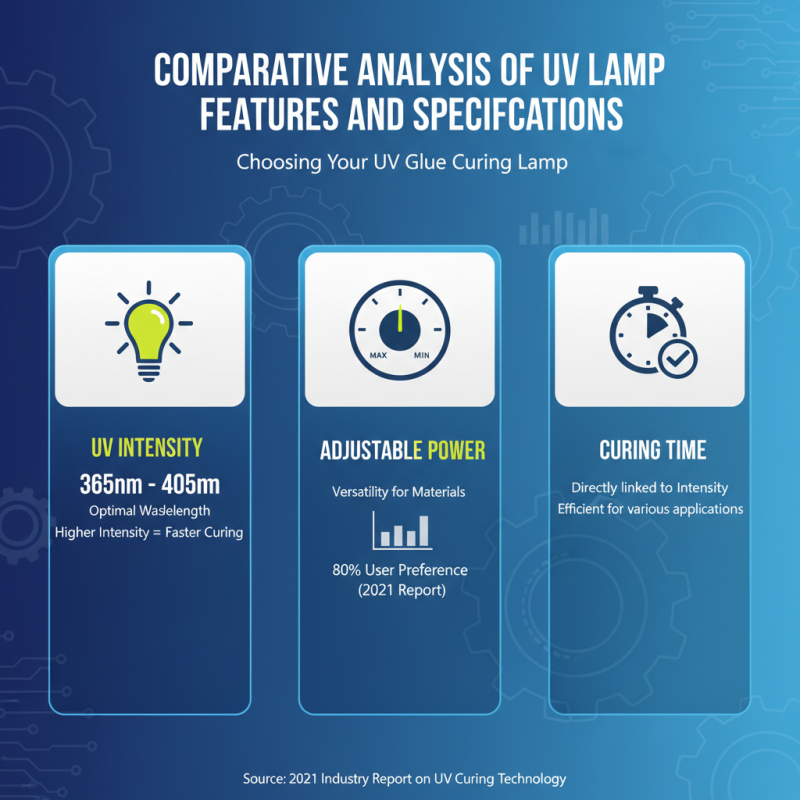
When selecting a UV glue curing lamp, several factors are crucial. The lamp's wavelength is important. Most adhesives cure at specific wavelengths, typically between 365 nm and 405 nm. Selecting a lamp that matches your adhesive ensures efficient curing.
Another key consideration is the power output. Higher wattage generally leads to faster curing times. A lamp that operates at around 36 watts can efficiently cure various UV adhesives. However, high power can generate excess heat, which may cause damage to sensitive materials.
Tips: Always check the manufacturer's specifications. The wrong lamp may underperform. Regularly clean your lamp to maintain optimal output.
The curing time is also significant. Ideally, most UV adhesives should cure within seconds to a few minutes. Keep in mind that factors like thickness and layer may affect this. A too thick layer can lead to incomplete curing. Adjust your approach accordingly. Lastly, consider the lamp's durability and lifespan. A quality lamp can be a long-term investment. According to reports, replacing lamps frequently can be costly over time.
Comparative Analysis of UV Lamp Features and Specifications
When choosing a UV glue curing lamp, specific features play a significant role. The intensity of UV radiation is crucial; most effective lamps emit between 365 nm to 405 nm. A 2021 industry report indicated that higher intensity leads to faster curing times, noting that 80% of users preferred lamps with adjustable intensity settings. This allows versatility for various materials and applications.
Cooling systems are also a key feature. Efficient cooling mechanisms prevent overheating, ensuring longevity. A recent study highlighted that UV lamps with built-in fans last 30% longer than those without. However, it's essential to consider the trade-off. A more complex cooling system may increase the initial cost.
Another important specification is energy consumption. Some UV lamps offer energy-saving features, reducing operational costs. Data shows that energy-efficient lamps can reduce electricity usage by up to 50%. Yet, the performance may suffer under certain conditions. Users report difficulties in achieving consistent results with lower power lamps.
Safety Precautions and Best Practices for Using UV Glue Curing Lamps
When using UV glue curing lamps, safety precautions are crucial. The UV light emitted can cause skin burns and eye damage. Always wear protective eyewear. This simple action can prevent serious injuries. Cover any exposed skin. A long-sleeved shirt is a good choice. Create a safe workspace where UV light exposure is minimized.
Tips: Ensure proper ventilation. UV light produces ozone, which can be harmful in high concentrations. Open a window or use exhaust fans. Pay attention to the lamp's distance from the surface. Too close can lead to uneven curing. Too far can slow down the process.
Be cautious with your materials. Some glues may emit fumes when cured under UV light. Always read the safety data sheets. Check periodically for any damages on your UV lamp. A worn-out lamp may be less effective. Test the setup before starting bigger projects. It’s better to identify issues early.