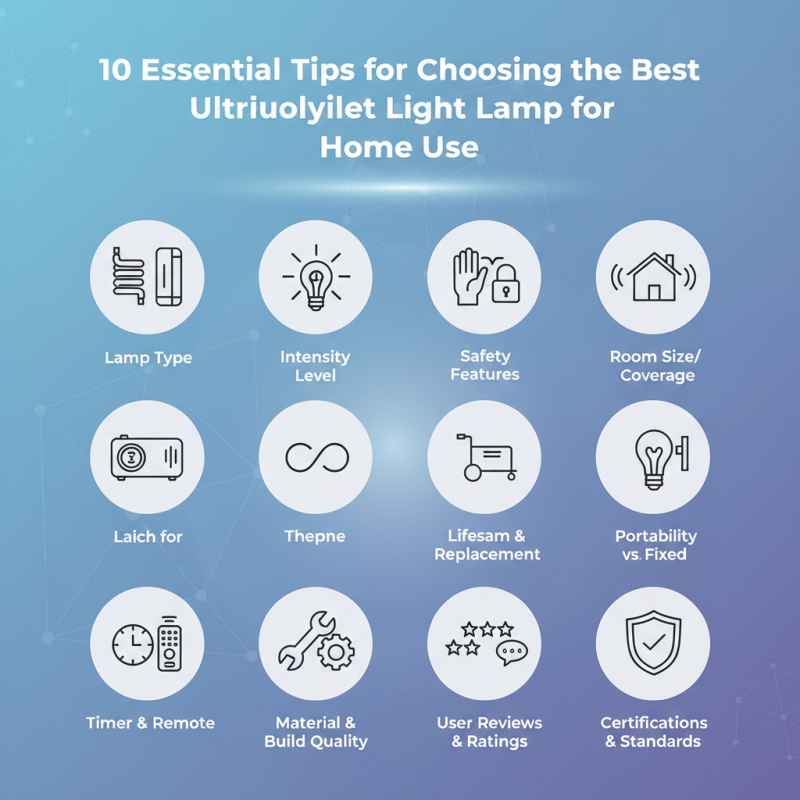
10 Essential Tips for Choosing the Best Ultraviolet Light Lamp for Home Use
When it comes to enhancing the quality of air and surfaces within our homes, the application of Ultraviolet Light Lamps has gained significant attention. These innovative devices utilize UV light to disinfect and purify, making them an increasingly popular choice for households aiming for a cleaner environment. However, with the variety of options available in the market, selecting the right Ultraviolet Light Lamp can be overwhelming. The effectiveness, safety, and compatibility of these lamps with your home environment are crucial factors to consider.
In this guide, we will explore ten essential tips for choosing the best Ultraviolet Light Lamp for home use. Whether you are looking to eliminate germs, bacteria, or allergens, understanding the key features and benefits of ultraviolet technology is vital. We will delve into aspects such as lamp types, intensity levels, and safety features, ensuring that you make an informed decision that caters to your specific needs. By following these guidelines, you can confidently choose an Ultraviolet Light Lamp that not only meets your expectations but also contributes to a healthier living space for you and your family.
Understanding the Different Types of Ultraviolet Light Lamps
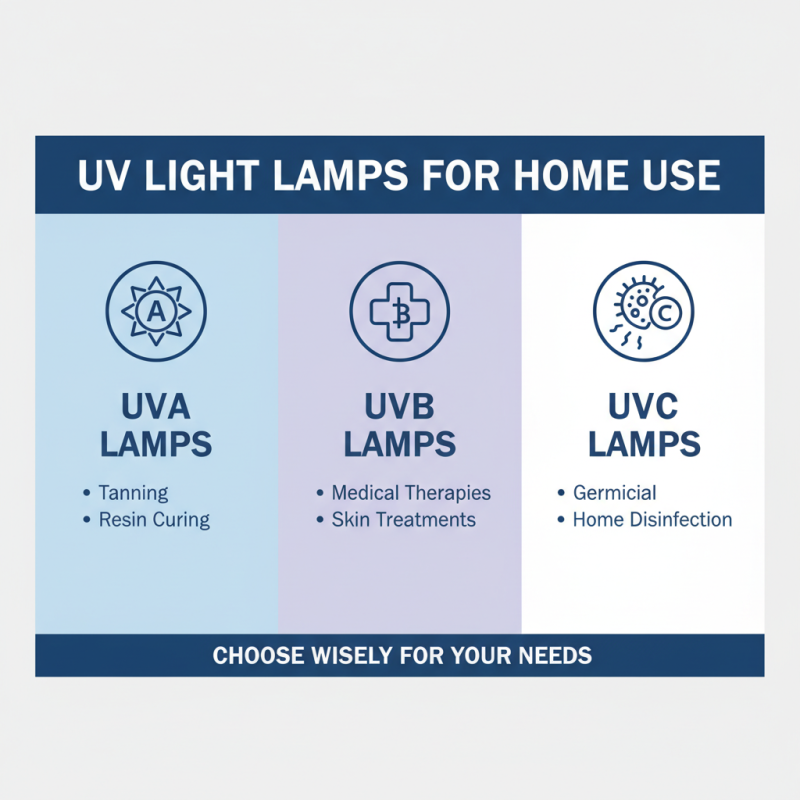
When selecting the best ultraviolet light lamp for home use, it's crucial to understand the various types available. UV lamps generally fall into three categories: UVA, UVB, and UVC. Each type serves distinct purposes, making it important to choose one that aligns with your specific needs. UVA lamps are commonly used for tanning and can also help in curing resins or adhesives, while UVB lamps are primarily used for medical treatments, such as skin disorders that respond to ultraviolet therapy. On the other hand, UVC lamps are known for their germicidal properties, making them suitable for disinfection applications in homes.
In addition to these classifications, it's essential to consider the lamp's design and usability. Some ultraviolet light lamps are portable, allowing for easy relocation and use in various areas of the home, while others may be fixed installations. Furthermore, different models can vary in intensity and wavelength output, which directly affects their effectiveness and safety. Proper understanding of these types will ultimately lead to a more informed decision, ensuring you select a UV lamp that is both safe and efficient for your specific applications at home.
Key Features to Consider When Selecting an Ultraviolet Light Lamp
When selecting an ultraviolet (UV) light lamp for home use, several key features should be considered to ensure optimal performance and safety.
One crucial aspect is the wavelength of the UV light.
UV-C light, typically ranging from 200 to 280 nanometers, is most effective for disinfection purposes, as it has been shown to eliminate up to 99.9% of harmful microorganisms, according to research from the American Society for Photobiology.
So, it's essential to choose a lamp that specifically emits UV-C light if your goal is sanitization.
Another vital factor to evaluate is the intensity and exposure time required for effective deactivation of pathogens.
According to the International Ultraviolet Association, increased intensity can reduce the time needed for effective disinfection significantly.
It's advisable to look for lamps that provide adjustable intensity settings to accommodate various spaces and needs, allowing you to modify the exposure based on the area being treated.
Tips for safe usage are also essential.
Always ensure the lamp has built-in safety features, such as motion sensors or automatic shut-offs, to prevent unintentional exposure to skin and eyes.
Additionally, checking for certifications from reputable organizations can provide peace of mind regarding the lamp's safety standards and efficacy.
Lastly, consider the lamp's ease of use and maintenance; models with replaceable bulbs or easy-to-clean surfaces will enhance user experience and longevity.
Evaluating the Safety Standards of Ultraviolet Light Lamps
When selecting an ultraviolet light lamp for home use, evaluating the safety standards is paramount. These lamps emit UV radiation, which can have both beneficial and harmful effects. Ensuring that the lamp adheres to safety regulations is essential to mitigate risks associated with prolonged exposure. Look for lamps that comply with nationally recognized safety standards, such as those established by relevant health organizations or regulatory bodies. These standards often include features designed to protect users from direct exposure and excessive radiation levels.
Additionally, consider the design and construction of the UV lamp. A well-designed lamp should incorporate features such as and automatic shut-off mechanisms to prevent overuse. Some models may also have protective shields or enclosures that limit UV exposure to only the areas in need, enhancing safety in a home environment. Moreover, check for user reviews and safety certifications to ensure the product has a proven track record of safety.
By prioritizing these safety standards, you can select a UV lamp that effectively meets your needs while keeping health risks at bay.
Assessing the Energy Efficiency of Ultraviolet Light Lamps
When selecting an ultraviolet light lamp for home use, assessing energy efficiency is crucial for both environmental impact and cost-effectiveness. According to the U.S. Department of Energy's Energy Efficiency and Renewable Energy program, energy-efficient UV lamps can significantly reduce electricity consumption. For instance, high-quality ultraviolet lamps operating at 36 watts can provide similar or superior germicidal effects compared to traditional lamps using 75 watts, demonstrating that energy-efficient models can be up to 50% more effective in terms of power consumption.
Further studies, including a report from the International Energy Agency (IEA), indicate that improving energy efficiency in residential lighting, including ultraviolet lamps, can lead to substantial savings on household energy bills. In fact, households that switch to energy-efficient UV lamps could save approximately $30 annually, depending on usage patterns and local electricity rates. Additionally, energy-efficient models tend to have a longer lifespan, which reduces the frequency of replacements and the overall environmental footprint associated with manufacturing and disposing of these systems. Overall, careful attention to energy efficiency can enhance the performance of ultraviolet light lamps while fostering sustainable home practices.
10 Essential Tips for Choosing the Best Ultraviolet Light Lamp for Home Use - Assessing the Energy Efficiency of Ultraviolet Light Lamps
| Feature |
Description |
Energy Efficiency Rating |
Lifespan (Hours) |
Recommended Use |
| Wavelength |
Optimal wavelengths for disinfection typically range from 200 to 280 nm. |
A+ |
10,000 |
Air purification |
| Power Consumption |
Lower wattage lamps save more energy while still providing effective UV light. |
A |
8,000 |
Surface disinfection |
| Size |
Choosing the right size for your space maximizes coverage and effectiveness. |
B+ |
5,000 |
Small rooms |
| Safety Features |
Look for automatic shut-off and protective covers to prevent UV exposure. |
A |
7,500 |
Household use |
| Cost |
Consider upfront cost vs. long-term savings from energy efficiency. |
B |
6,000 |
Budget-friendly options |
Comparing Prices and Warranty Options for Ultraviolet Light Lamps
When selecting an ultraviolet (UV) light lamp for home use, comparing prices and warranty options is essential for making an informed decision. The market for UV light lamps has seen significant growth, with a report by Market Research Future projecting a compound annual growth rate (CAGR) of around 12% from 2021 to 2027. This growth can be attributed to the increasing awareness of the benefits of UV sanitation, especially in the wake of global health concerns. By evaluating different price points, consumers can find options that fit their budgets while ensuring they receive a reliable product.
Warranties are a crucial aspect to consider when purchasing a UV lamp, as they provide consumers with peace of mind regarding their investment. Many manufacturers offer warranties ranging from one year to five years, reflecting their confidence in the product's durability and effectiveness. According to a survey conducted by the Consumer Electronics Association, 70% of consumers express a higher willingness to purchase from brands that offer extended warranty options. By choosing a lamp with a solid warranty, buyers can protect themselves from potential defects and ensure long-term use of the device, making it a wise choice for home sanitation needs.
Comparison of Ultraviolet Light Lamps for Home Use