How to Choose the Best UV Led Light Lamp for Your Needs?
Choosing the right UV LED Light Lamp can feel overwhelming. There are countless options available. Each lamp has unique features and specifications. Expert Rachel Thompson, a specialist in UV technology, states, “The right UV LED lamp can greatly enhance your projects.” This highlights the importance of making a well-informed choice.
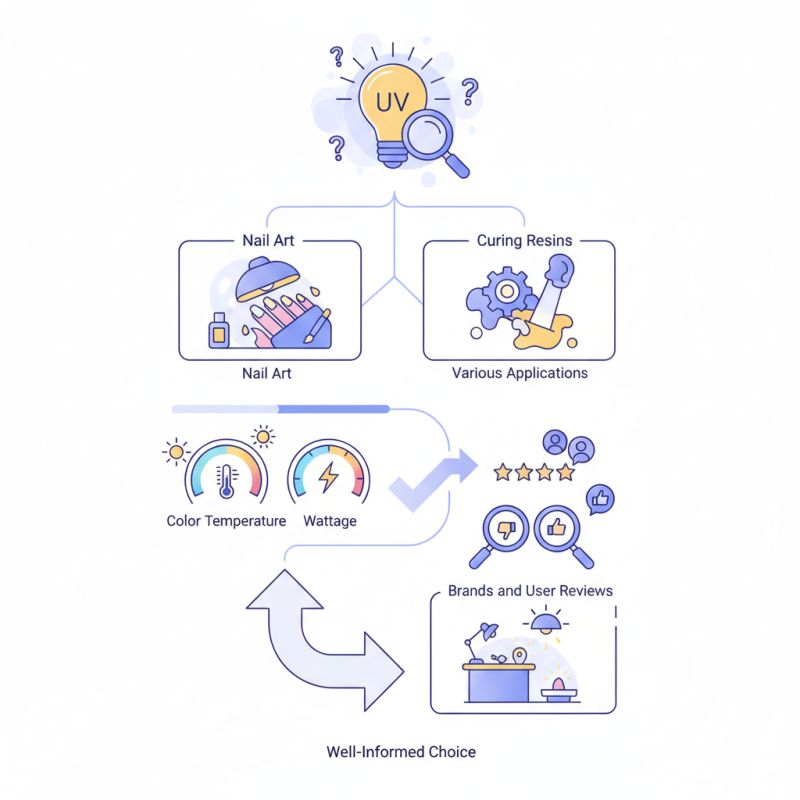
When evaluating a UV LED Light Lamp, consider your specific needs. What will you primarily use it for? Different lamps cater to various applications, from nail art to curing resins. Color temperature and wattage are crucial factors. These elements can impact performance and efficiency.
Don’t forget to research brands and user reviews. Something that works well for one person may not for another. Sometimes, even popular models fall short of expectations. A thoughtful selection process can prevent regrets later on. When it comes to UV LED Light Lamps, the right choice can elevate your work.
Understanding UV LED Light Technology and Its Applications
UV LED light technology is revolutionizing various sectors, harnessing the power of ultraviolet light for practical applications. This technology differs from traditional UV lamps by using solid-state emitters. These emitters are energy-efficient and have a longer lifespan. Data from industry reports indicate that the global UV LED market is expected to grow significantly, with projections estimating a rise from $1.2 billion in 2021 to $5.4 billion by 2026. This interest stems from its applications in disinfection, curing processes, and even plant growth.
In disinfection, UV LEDs are gaining ground as effective solutions against pathogens. They operate effectively at specific wavelengths, usually between 260-280 nm, achieving a high germicidal effect. Studies show that UV-C light, particularly, can inactivate up to 99.9% of bacteria and viruses, enhancing safety in various environments. However, while the technology promises efficiency, some concerns remain. The cost of installation and the required knowledge for proper usage can be barriers for many potential users. Moreover, not all devices are equally effective; some might underperform if not carefully chosen.
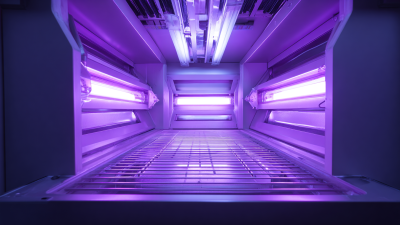
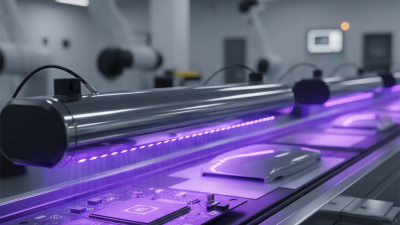
Another notable application of UV LED technology is in curing processes. Industries like printing and coatings leverage this for faster drying times. These devices solidify inks and resins when exposed to UV light. However, inconsistent quality and varying energy outputs can lead to unpredictability. Users must consider these factors to ensure they select a device that meets their operational standards. The need for further education on UV LED technology remains critical for maximizing its benefits.
Factors to Consider When Choosing a UV LED Light Lamp
Choosing the right UV LED light lamp involves several important factors. First, consider the lamp's wavelength. Most UV applications require specific wavelengths for effective results. A lamp with adjustable settings might be useful. This flexibility allows you to match the lamp to your specific needs.
Next, think about the lamp's power output. A higher wattage can mean faster curing times. However, this may increase heat emission. Be careful, as excessive heat can damage your materials. It's essential to find a balance between speed and safety.
Tips: When selecting a lamp, always read user reviews for insights. Look for feedback about reliability and performance. Additionally, assess your workspace. Ensure you have enough space and proper ventilation. Always prioritize safety features, such as built-in timers or auto shut-off functions. Sometimes, investing time in research can save you from future regrets. Remember, each project may require a different approach, so think carefully about your needs.
How to Choose the Best UV Led Light Lamp for Your Needs? - Factors to Consider When Choosing a UV LED Light Lamp
| Factor |
Description |
Importance Level |
| Wavelength |
Choose the appropriate wavelength for your specific application, typically between 365nm to 405nm for curing. |
High |
| Power Output |
Higher power output means faster curing times, typically measured in watts. |
High |
| Lamp Size |
Consider the size of the lamp based on the workspace and the items to be cured. |
Medium |
| Curing Speed |
Evaluate how quickly the lamp can cure materials; important for efficiency. |
High |
| Durability |
Look for a lamp that can withstand frequent use without degradation. |
Medium |
| Cooling System |
An effective cooling system is vital for prolonging lamp life and preventing overheating. |
Medium |
| Energy Efficiency |
Opt for lamps that consume less energy while providing sufficient output. |
Medium |
| User Reviews |
Check user feedback and ratings to gauge reliability and performance. |
High |
Different Types of UV LED Light Lamps Available on the Market
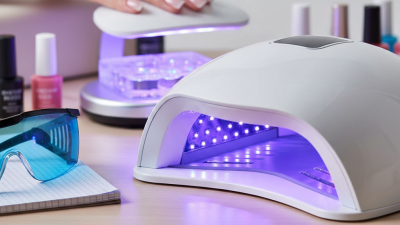
When looking for the right UV LED light lamp, understanding the types available is crucial. There are various models on the market designed for different purposes. Some are perfect for curing nail polish. Others excel in sanitizing surfaces or even for horticulture. Each type has unique features that suit specific needs.
Diving into the features can be overwhelming. It’s essential to consider light intensity. A powerful lamp might be effective but could also create heat. Look for a balance. Also, pay attention to the wavelength. Different UV ranges cater to different applications. Narrowing down your focus will simplify your choice.
**Tips**: Always read user reviews. They can provide insights you might not have considered. Look for safety features too. Some lamps offer automatic shut-off, which is useful. Lastly, think about portability. A lightweight design can make a big difference if you plan to move it around. Keep these aspects in mind, and you will be closer to finding the right UV LED light lamp for your needs.
Comparison of Different Types of UV LED Light Lamps
Evaluating Quality and Performance: Key Features to Look For
When looking for the best UV LED light lamp, focus on evaluating quality and performance. The most critical features include wavelength output, intensity, and heat management. Research shows that effective wavelength ranges from 365nm to 405nm for curing purposes. These wavelengths allow for optimal absorption by various materials.
Intensity matters greatly, too. A lamp with higher wattage often delivers better performance. However, it’s essential to consider the balance between wattage and heat output. Excessive heat can lead to decreased lifespans of the bulbs. Reports indicate that prolonged use at high temperatures can reduce efficacy by up to 30%.
User experience also plays a role. A lamp that lacks adequate heat dissipation can lead to frustration for users. Observing user reviews highlights that some models fail to cure materials uniformly. Finding a lamp with reliable performance often requires thorough research. Make sure to weigh benefits against potential challenges. Balancing features and performance can be tricky, yet it’s worth the effort.
Budgeting and Cost Considerations for UV LED Light Lamps
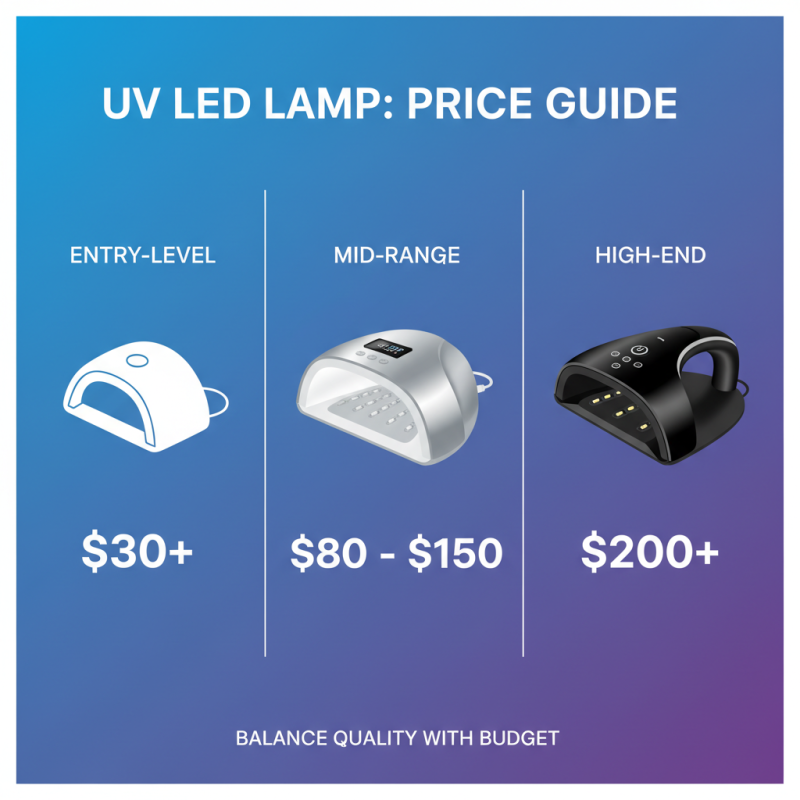
When choosing a UV LED light lamp, budgeting is crucial. Prices for these lamps can vary significantly based on their specifications. A recent industry report indicates that entry-level models can cost as little as $30. Meanwhile, high-end lamps may exceed $200. It's essential to balance quality with your budget.
Consider the features you need. For casual use, a basic lamp could suffice. However, professional settings often require lamps with more advanced features. These premium models offer better durability and performance. Data suggests that investing in a quality lamp can save you money over time. Low-cost models may need frequent replacements. This leads to additional expenses.
Maintenance costs should also be part of your budget. Some UV LED lamps require specific bulbs that can be pricey. Users often overlook this detail. A lamp's energy consumption is another factor. Energy-efficient options might have a higher initial cost but lower ongoing energy bills. So, while initial prices matter, always think long-term.