2026 How to Choose the Best Uv Led Curing Light for Your Needs?
When choosing a UV LED curing light, several factors come into play. The right light can significantly affect your curing process. This choice impacts both efficiency and outcomes.
Understanding your specific needs is crucial. Are you working in a professional setting, or is it for personal use? The intensity, wavelength, and budget can vary widely. These details will lead you toward the best UV LED curing light for your task.
Quality is key. Research brands known for reliability and effectiveness. Review product specifications carefully. The market is full of choices, but not all are created equal. Avoid rushing the decision. Take the time to evaluate your options. Reflect on what truly benefits your work. This diligence will result in better curing results.
Understanding UV LED Curing Lights: A Comprehensive Overview
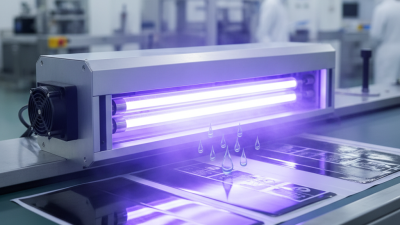
Understanding UV LED curing lights is essential for various industries, including printing, electronics, and dental applications. These lights produce ultraviolet light that cures or hardens materials quickly. The technology behind UV LED curing has evolved significantly over the years. Manufacturers are now creating more efficient, durable, and user-friendly devices. This shift is critical for those seeking reliable performance.
When selecting a UV LED curing light, it’s vital to consider intensity and wavelength. Different applications may require specific wavelengths for optimal results. For example, wood finishes may need a different wavelength than resin used in dental work. Keeping safety in mind is crucial, as UV light can harm skin and eyes. Look for lights with protective features to ensure safe operation.
While many lights claim to be versatile, some might not meet all expectations. Users often report inconsistent curing when materials vary in thickness. Testing the light with your specific materials is a good practice. It helps identify potential shortcomings and allows you to make more informed choices. Being aware of these factors ensures you select a UV LED curing light that truly fits your needs.
2026 How to Choose the Best UV LED Curing Light for Your Needs?
| Feature |
Description |
Recommended Use |
Price Range |
| Wavelength |
Typically between 365-405 nm |
Invoking photo-initiators in UV materials |
$100 - $500 |
| Curing Time |
Usually ranges from 10 seconds to several minutes |
Rapid production environments |
$150 - $600 |
| Power Output |
Measured in watts; impacts curing speed and efficiency |
High-demand applications |
$200 - $700 |
| Durability |
Lifespan of bulbs/lights measured in hours |
Frequent and high-volume usage |
$100 - $400 |
| Size & Portability |
Compact for individual use; larger for industrial settings |
On-the-go crafts or industrial setups |
$120 - $500 |
Key Factors to Consider When Choosing a UV LED Curing Light
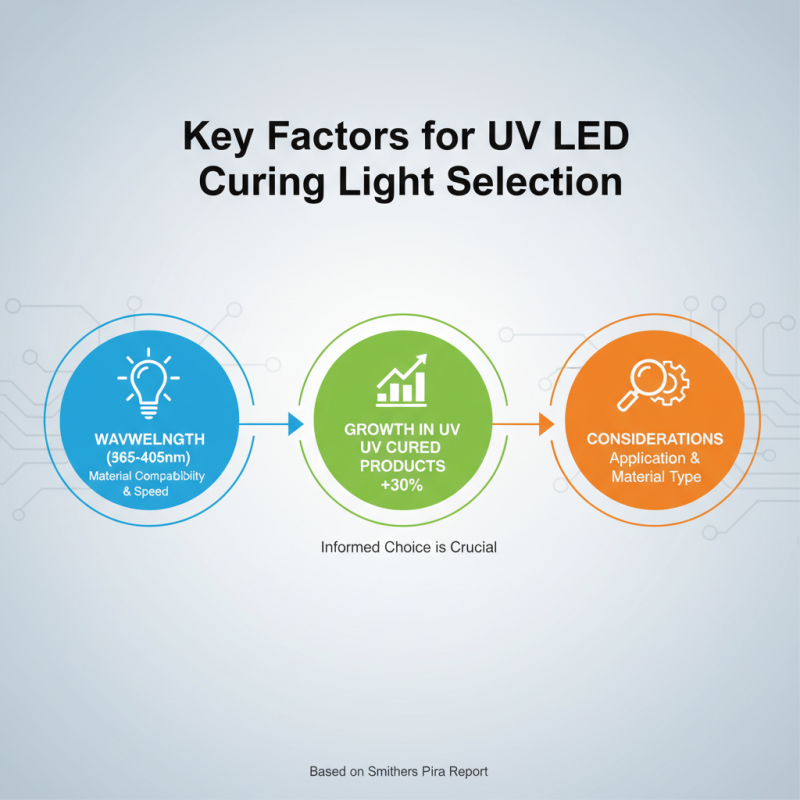
When selecting a UV LED curing light, several key factors need careful consideration. First, understanding the wavelength is crucial. Most UV LED curing lights operate between 365nm and 405nm. Each wavelength affects curing speed and the materials it works best with. According to a report by Smithers Pira, the demand for UV-cured products is set to grow by 30% in the coming years. This statistic highlights the importance of making an informed choice.
Another vital factor is the power output. Higher wattage can lead to faster curing times but may not always be necessary. It's essential to balance power with the type of material being cured. Some materials may only require lower power settings, while others benefit from high-intensity lights. A report by ChemQuest states that the right energy output increases efficiency and enhances product quality. Users should analyze their specific needs to avoid overspending on unnecessary features.
Tips: Consider portability. If your projects require mobility, lighter models are preferable. Also, assess compatibility with existing materials to ensure optimal curing. Lastly, read reviews and case studies from professionals to avoid potential pitfalls associated with new technologies. This feedback can be invaluable in selecting the best UV LED curing light for your projects.
Types of UV LED Curing Lights and Their Applications
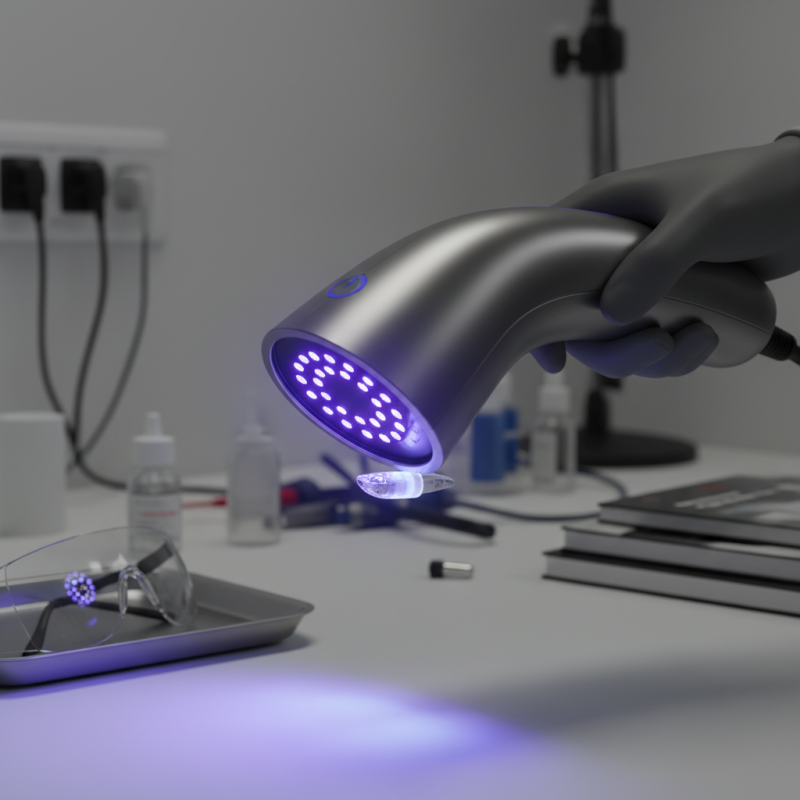
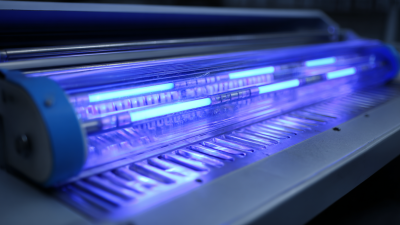
When choosing a UV LED curing light, understanding the types available is crucial. There are various types of UV LED curing lights designed for specific applications. These include flood lights, spot lights, and handheld devices. Flood lights cover large areas, making them suitable for commercial use. Spot lights provide targeted curing, ideal for detailed work like nail art and graphics.
According to recent industry research, the UV LED curing market is projected to reach USD 2.3 billion by 2026, driven by the growth in industries such as automotive and electronics. This growth indicates a rising demand for efficient and effective curing solutions. However, not all products meet the same standards. Some cheaper options may not provide adequate UV output or longevity.
Tips: Always check the wavelength of the UV light. A wavelength of 365 nm to 405 nm is generally effective for most applications. Understanding your specific needs will guide your choice. Be aware that investments in high-quality curing lights can save costs in material wastage over time. The wrong light can lead to incomplete curing, impacting the final results.
Evaluating Performance and Efficiency: What to Look For
When selecting a UV LED curing light, performance and efficiency are crucial. An industry report from Smithers Pira highlights that UV LED technology can achieve curing speeds up to 40% faster than traditional UV lamps. This means less time waiting and more time working. Many users note that this speed boost improves overall productivity.
Another key factor is the wavelength of the light. According to a study by the UV & EB Curing Technology Association, optimal wavelengths for curing range between 365nm and 405nm. Selecting a device within this range ensures better adhesion and faster curing. However, some users have reported challenges with uneven curing. This can lead to imperfections in finished products, demonstrating the need for careful selection based on specific project requirements.
Consider the power output as well. A higher power output allows deeper curing penetrations, which can be critical for thicker materials. However, reaching optimal output can also increase equipment costs, which might be a limitation for smaller operations. User feedback emphasizes the need to balance performance with budget constraints, prompting manufacturers to innovate continuously. Thus, the decision process is intricate, requiring thoughtful assessment of both personal needs and market advancements.
Performance and Efficiency Evaluation of UV LED Curing Lights
Top Brands and Models: Recommendations for Every Need
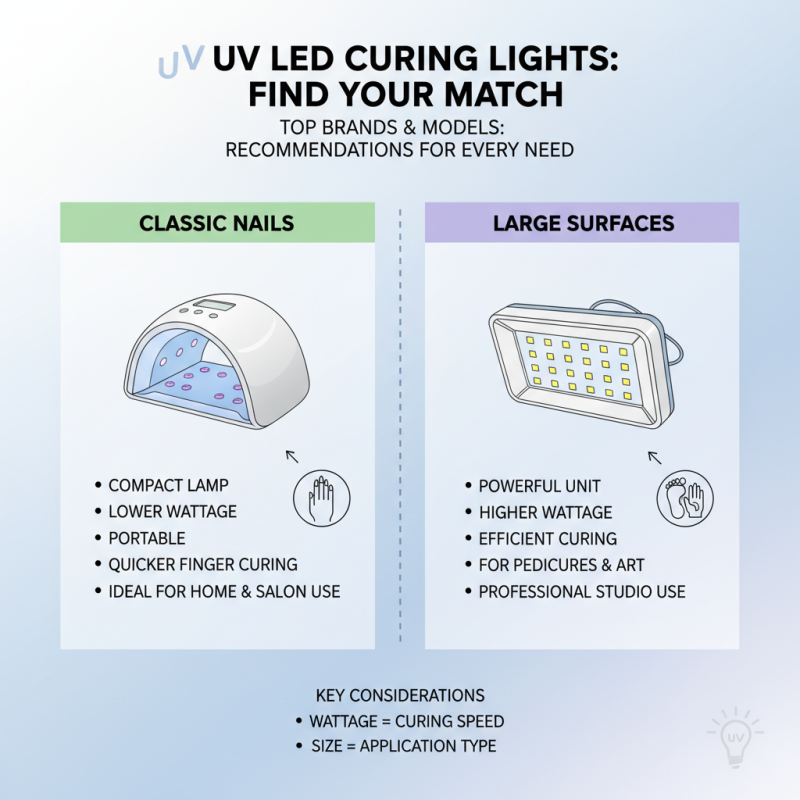
When selecting a UV LED curing light, it’s essential to understand the options available. Different needs require different types of lights. For classic nail applications, a compact lamp may suffice. Conversely, professionals dealing with larger surfaces will benefit from more powerful, larger units. Consider the wattage and output of each model. Higher wattage often leads to quicker curing times, saving valuable time.
Top models vary in design and technology. Some feature adjustable settings for varying curing times. Others come with built-in timers and sensors. These features enhance usability and efficiency but can complicate the selection process. Look for user reviews to gauge reliability and performance in a real-world setting.
Choosing a brand with strong consumer feedback can help in decision-making. The market is crowded, but understanding the features that meet specific needs remains crucial. Not every unit is perfect; some may not cure evenly or may require frequent bulb replacements. Weigh the pros and cons carefully. Each individual's needs will shape their choice, so personal research is key for the optimal solution.