Why Choose a UV LED Curing Device for Your Printing Needs?
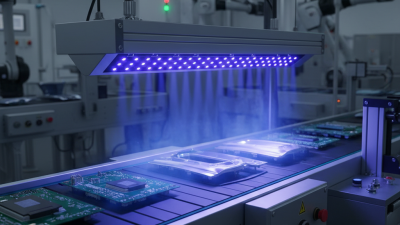
In the fast-evolving world of printing, selecting the right technology is crucial. A UV LED curing device stands out for its efficiency and versatility. This innovative tool uses ultraviolet light to cure inks and coatings, ensuring quick and durable results. Print businesses are increasingly recognizing the advantages of this technology.
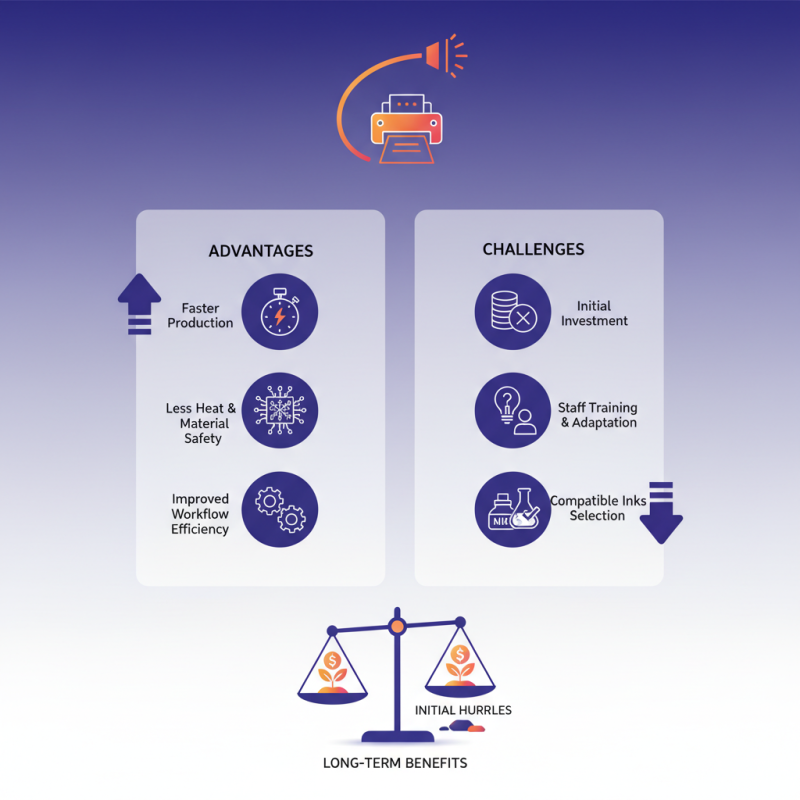
The UV LED curing device offers several benefits. It saves time by curing inks instantly. This capability allows for faster production runs. Moreover, it generates less heat, minimizing the risk of damaging sensitive substrates. Companies that integrate this technology often see an improvement in overall workflow.
However, transitioning to a UV LED system may pose challenges. Initial costs can be high, and training staff is necessary. Some users report the need for careful selection of compatible inks. Despite these hurdles, the long-term benefits often outweigh the initial difficulties. Investing in a UV LED curing device could transform printing operations for the better.
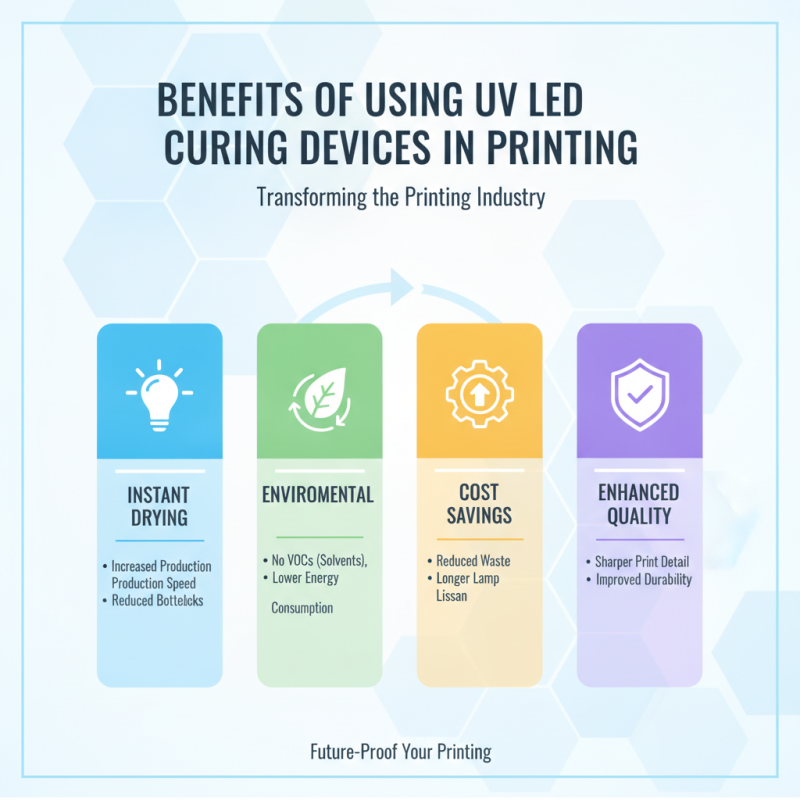
Benefits of Using UV LED Curing Devices in Printing
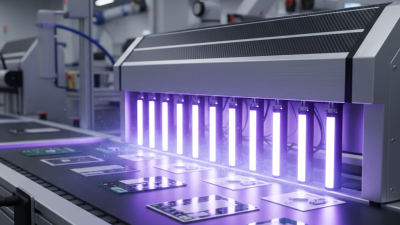
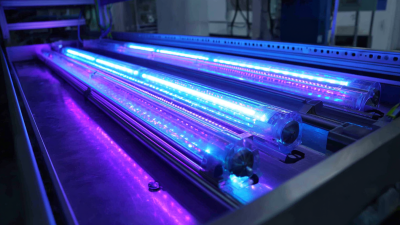
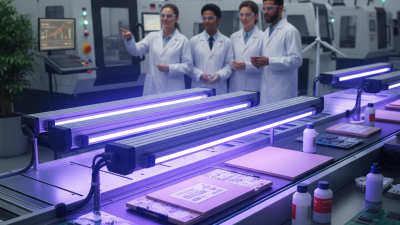
UV LED curing devices are rapidly transforming the printing industry. These machines cure inks and coatings using ultraviolet light emitted by LEDs. This technology offers numerous benefits that are appealing to print businesses.
One major benefit is energy efficiency. Reports indicate that UV LED systems consume 50% less energy than traditional UV curing systems. This reduction in energy use translates into lower operational costs. Additionally, UV LED devices produce less heat, which minimizes the risk of substrate damage. This advantage is especially crucial for heat-sensitive materials like paper or plastics.
Another significant advantage is the speed of curing. Traditionally, curing inks took longer, which slowed down production. UV LED systems cure inks almost instantaneously, leading to faster turnaround times. A study has shown that print jobs can be completed up to 40% quicker with UV LED technology. However, it's important to note that not all inks are compatible with UV LED curing. Printers must ensure that they choose the right type of ink to optimize performance. This compatibility aspect may require further research and investment.
Comparison of UV LED Curing Devices to Traditional Curing Methods
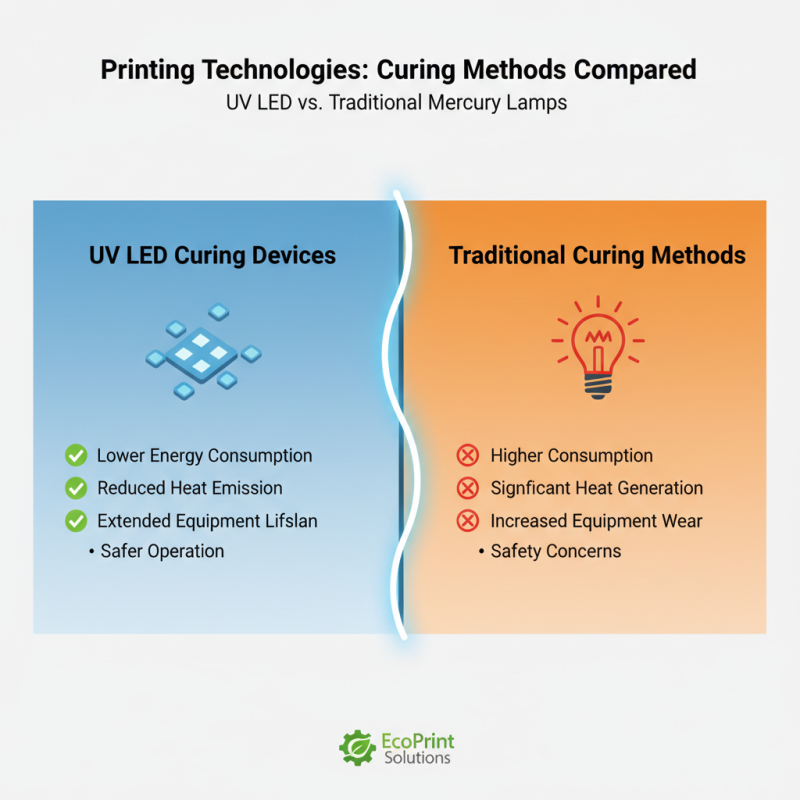
When considering printing technologies, UV LED curing devices stand out against traditional methods. Traditional curing often relies on mercury lamps that consume more energy and produce significant heat. In contrast, UV LED devices emit less heat, which reduces the risk of heat-related issues. This means safer operation and less wear on your printing equipment.
Moreover, UV LED curing is faster, enabling quicker production times. The curing process can be nearly instantaneous, allowing businesses to meet tight deadlines. However, the initial investment for UV LED technology might be higher than traditional methods. It’s essential to evaluate long-term savings against upfront costs.
Additionally, while UV LED curing devices promise consistency, they can present challenges. Not all inks or substrates suit this technology. A thoughtful approach is essential to ensure compatibility. It can be frustrating when experimenting with different combinations yields unexpected results. This reflects the ongoing learning curve within the industry. Ultimately, the choice hinges on balancing efficiency, cost, and adaptability to specific printing needs.
Applications of UV LED Curing in Different Printing Techniques
UV LED curing technology has transformed various printing techniques, enhancing
efficiency and quality.
In digital printing, UV LED systems provide immediate drying and curing. This allows prints
to be handled right after production. The vibrant colors achieved are often
rich and durable, making them suitable for
high-quality output.
In screen printing, UV LED curing offers unique advantages. It reduces energy consumption
and minimizes heat exposure. This is critical for substrates that are sensitive to high
temperatures. Additionally, the technology supports a variety of inks. That
versatility can meet the specific needs of
different projects.
However, while UV LED systems excel in many areas, they may not be a one-size-fits-all
solution. Some users report challenges in compatibility with certain materials. Not all
substrates react well to UV light, which requires careful selection. Industry
professionals should weigh these factors when choosing their curing methods.
Understanding the limitations and possibilities of UV LED curing is essential for
effective printing.
Factors to Consider When Choosing a UV LED Curing Device
When selecting a UV LED curing device, various factors come into play. One of the primary considerations is the type of materials you will be printing on. Different substrates react uniquely to UV light. For instance, paper absorbs UV differently compared to plastics or metals. A study by Smithers Pira highlights that the demand for UV-cured inks has grown by 6% annually over the past five years, indicating this technology's expanding role in diverse applications.
Energy consumption is also vital. UV LED devices use about 50% less energy than traditional mercury lamps. This lower energy requirement translates to significant cost savings over time. However, one must weigh the initial investment against these long-term savings. Another concern is the speed of the curing process. Although UV LED is typically faster, varying factors like lamp position and distance affect efficiency. A thorough understanding of your production needs can greatly influence the effectiveness of a UV LED system.
Finally, operator safety cannot be ignored. UV LED systems produce less heat, reducing the risk of burns. Nonetheless, UV exposure still poses risks. Adequate safety measures, such as protective eyewear, should be non-negotiable. Balancing these factors ensures informed decisions, enhancing both safety and productivity in printing operations.
Why Choose a UV LED Curing Device for Your Printing Needs?
| Factor |
Description |
Benefits |
| Curing Speed |
UV LED curing devices provide faster curing times than traditional methods. |
Increased productivity and quicker turnaround times for projects. |
| Energy Efficiency |
UV LED lights consume less energy compared to conventional UV lamps. |
Lower energy costs and a reduced carbon footprint. |
| Durability |
LED lights have a longer lifespan than traditional UV bulbs. |
Reduced maintenance and replacement costs over time. |
| Substrate Compatibility |
Suitable for a wider range of substrates including plastics and metal. |
Versatile applications for different printing needs. |
| Environmental Impact |
Produces fewer emissions and is free from hazardous materials. |
Promotes an eco-friendly printing process. |
Future Trends in UV LED Curing Technology for Printing
The future of UV LED curing technology in printing is promising and exciting. As businesses demand faster production times, UV LED curing devices are evolving. They offer rapid curing and enhanced efficiency, addressing the needs of various industries. The technology is advancing with innovative designs and improved energy efficiency. Print quality continues to enhance, making it appealing for high-end applications.
Another trend is the shift towards sustainability. UV LED technology uses less power and reduces waste. This aligns with global efforts toward eco-friendly practices. However, manufacturers face challenges in reducing costs while maintaining quality. The cost of LED fixtures can be high, which may deter smaller operations. As the technology matures, prices are likely to decrease, making it more accessible.
Industry experts are optimistic about new developments. As print substrates diversify, UV LED systems will adapt. This adaptability will lead to more creative applications. Yet, users must stay informed about advancements and best practices. Keeping up with industry trends is vital for those seeking competitive advantages. Embracing change while evaluating current capabilities is crucial for future success.
UV LED Curing Technology in Printing