Top Benefits of Using UV Curing Flood Lamps for Your Projects?
In today's competitive market, the efficiency of UV curing processes significantly impacts project success. The **UV Curing Flood Lamp** has emerged as a leading solution. According to a recent industry report, the UV curing market is projected to reach $4.4 billion by 2025, growing at a CAGR of 10.9%. This reflects the increasing reliance on UV technologies across various sectors.
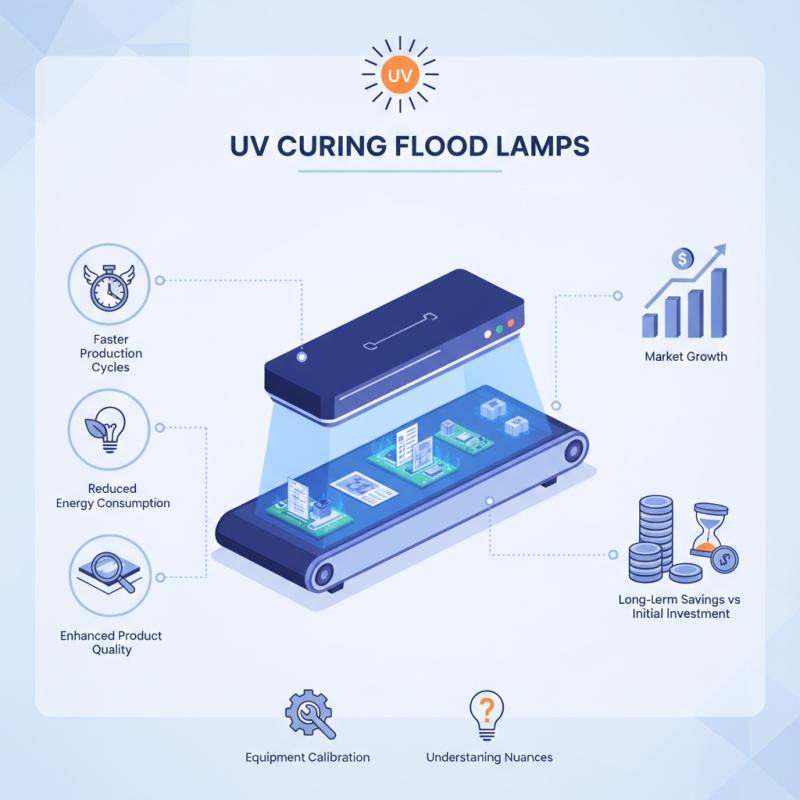
A UV Curing Flood Lamp offers high-intensity light that ensures rapid and effective curing of coatings and inks. Its advantages include faster production cycles, reduced energy consumption, and enhanced product quality. Reports indicate that UV curing can reduce drying times to mere seconds, unlike traditional methods that may take hours. Interestingly, while its benefits are well documented, some challenges exist. For instance, proper equipment calibration is crucial to avoid under-curing, which can lead to product defects.
Moreover, the initial investment for a quality UV Curing Flood Lamp may seem high. However, many companies find that the long-term savings in labor and material costs justify the expense. As with any technology, understanding the nuances of UV curing can lead to better decision-making and project outcomes.
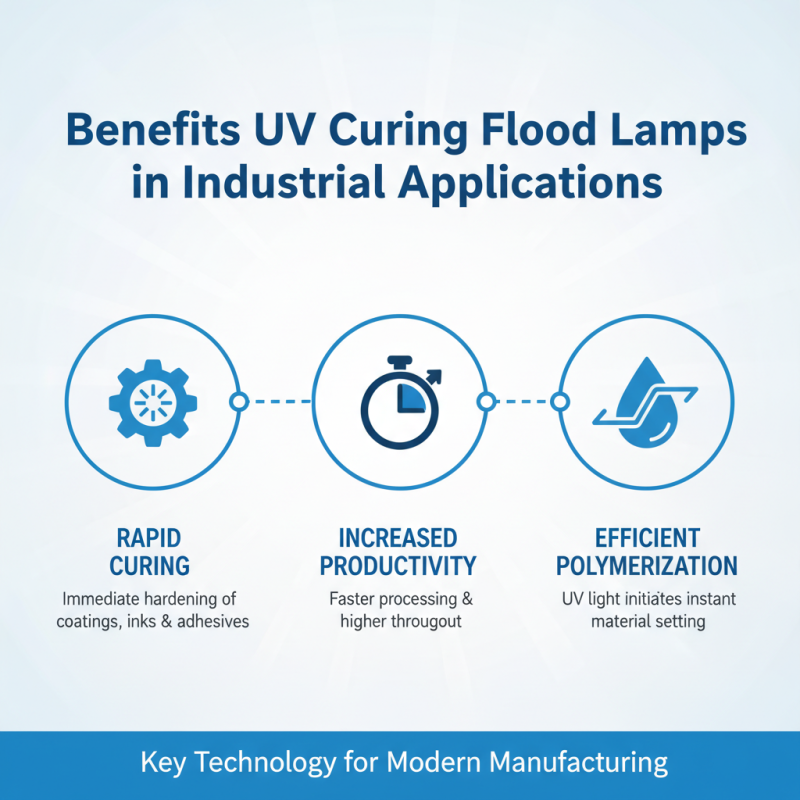
Benefits of UV Curing Flood Lamps in Industrial Applications
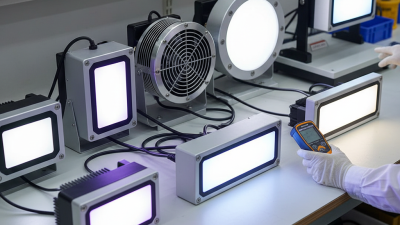
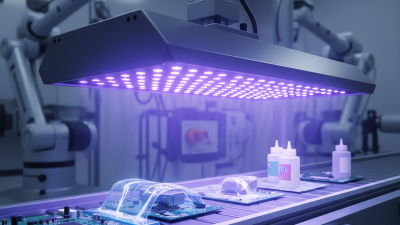
UV curing flood lamps play a pivotal role in various industrial applications. They provide an efficient way to cure coatings, inks, and adhesives rapidly. The technology uses ultraviolet light to initiate polymerization. This process leads to immediate hardening of materials, contributing to increased productivity.
In manufacturing settings, efficiency is a significant concern. These lamps reduce drying times drastically. Workpieces move swiftly through production stages. This quick curing can lead to higher throughput. However, the need for precise control is vital. Overexposure can cause surface defects, which may pose challenges later. Continuous monitoring of UV output is essential for consistent results.
Safety and energy efficiency are critical factors. UV curing lamps can reduce energy costs compared to conventional drying methods. Their targeted application minimizes waste. Users must remain vigilant about safety practices. Proper protective gear is necessary due to intense UV radiation. Ensuring a safe work environment should be a priority for all involved in UV curing processes.
Efficiency Advantages of UV Curing Technology Compared to Traditional Methods
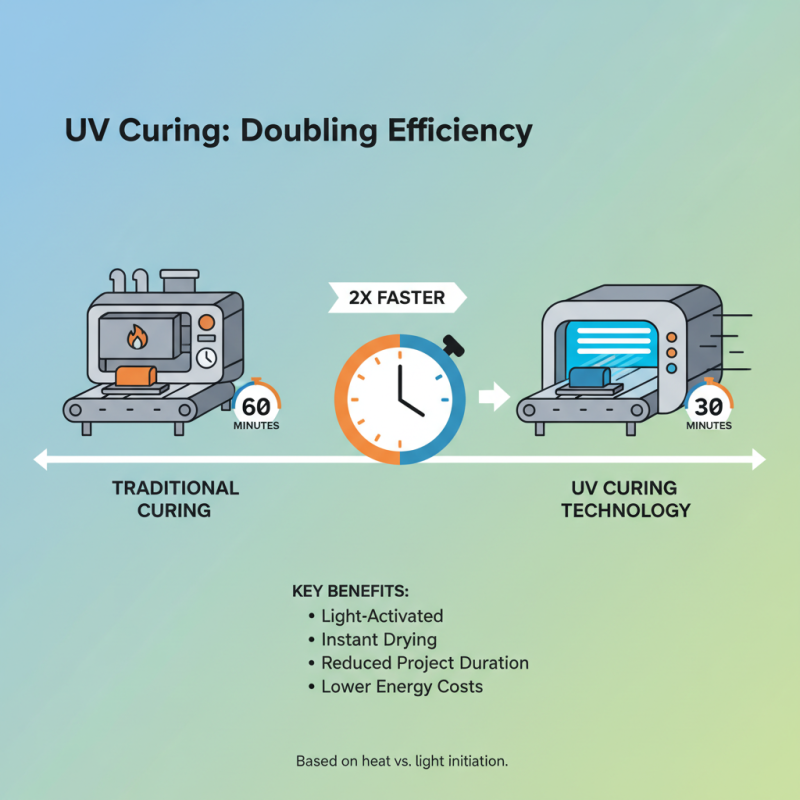
UV curing technology offers significant efficiency advantages over traditional curing methods. Unlike conventional techniques that rely on heat, UV curing uses light to initiate the curing process. This allows for faster drying times, reducing overall project duration. In many applications, this technology can halve the time needed for curing.
Another key benefit is the reduction in energy consumption. Traditional curing often requires constant heat, which can consume substantial energy over extended periods. In contrast, UV curing lamps activate the process rapidly, leading to less energy waste. The immediate results also allow for quicker turnaround in production timelines.
While UV curing technology presents many advantages, it is not without challenges. Proper safety measures are essential when using UV lamps. Workers should be educated about potential exposure risks. Additionally, not all materials are compatible with UV curing, requiring careful planning. Projects can face delays if proper materials are not selected in advance. Thus, reflection on material choice and safety practices is essential for success.
Impact of UV Flood Lamps on Production Speed and Output Quality
UV curing flood lamps significantly enhance production speed by rapidly curing materials. The high-intensity UV light penetrates surfaces efficiently, allowing for quicker drying times. This is especially beneficial in high-volume production environments. With reduced curing times, businesses can increase their output without sacrificing quality.
Output quality is greatly improved with these lamps. They provide uniform curing across surfaces, which reduces the risk of defects. However, there are challenges. Not every material reacts the same way to UV light. Some substances may require adjustments in exposure time or intensity. Trials can lead to inconsistencies if not monitored closely.
Optimizing the use of UV flood lamps requires expertise. Operators need to understand the characteristics of their specific materials. Regular training and practice are essential to achieve consistent results. Moreover, investing in good equipment is necessary but not always feasible. Some companies may struggle with the upfront costs. Balancing these factors is key to fully harnessing the benefits of UV curing technology.
Energy Savings and Environmental Benefits of Using UV Curing Lamps
UV curing flood lamps have transformed various industries with their efficiency. The environmental impact is notable, as these lamps consume less energy compared to traditional curing methods. Studies suggest that UV lamps can save up to 30-50% more energy, reducing utility bills significantly. This saves money and lowers the carbon footprint for businesses.
Additionally, using UV curing lamps limits VOC emissions. VOCs are harmful to health and the environment. A report by the Environmental Protection Agency (EPA) highlights that UV technology can reduce VOC emissions by 70-90%. This is crucial for companies aiming for sustainability and compliance with strict regulations.
Tip: Regular maintenance of UV curing systems is required for optimal performance.
The initial investment in UV lamps may seem high, but the long-term savings often outweigh the costs. Businesses must evaluate their processes carefully. Recycling and reusing materials often lead to better eco-efficiency, paired with UV curing technology.
Tip: Consider assessing UV technology's fit for various projects frequently. This can enhance production quality while being environmentally friendly.
Top Benefits of Using UV Curing Flood Lamps
Trends in UV Curing Technology: Market Growth and Industry Adoption
The UV curing technology market is experiencing significant growth. Many industries, from automotive to electronics, are adopting this technology. The rise in awareness of eco-friendly options is contributing to the expansion. Companies are shifting towards sustainable practices, pushing UV curing solutions to the forefront.
Tips for selecting UV curing flood lamps: Choose lamps that provide broad coverage. This ensures even curing across large areas. Consider the intensity and wavelength of the UV light, as different applications may require specific settings. Regular maintenance of equipment is vital to maximize efficiency and lifespan.
While UV curing offers numerous advantages, challenges remain. Not all materials respond well to UV light. Some projects may require trial and error to achieve desired results. Monitoring exposure times is crucial, as overexposure can damage certain substrates. Always stay updated on advancements in the technology to make informed decisions.